
INSIDE THE BLUEPRINT FOR JIMTOF 2026
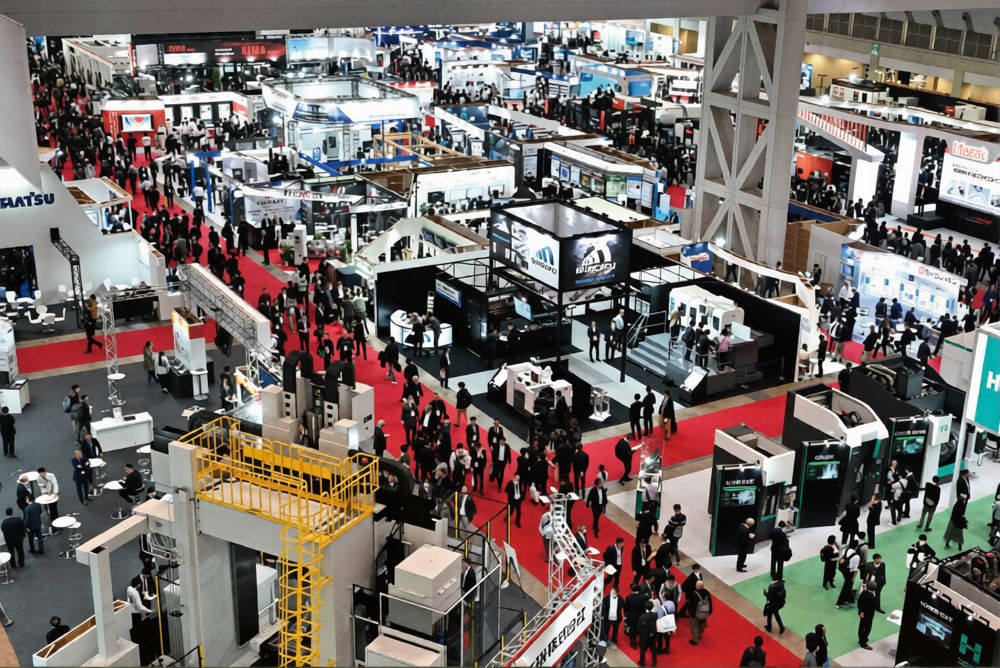
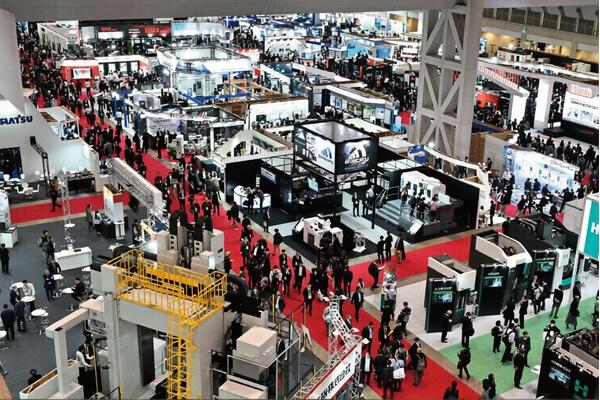
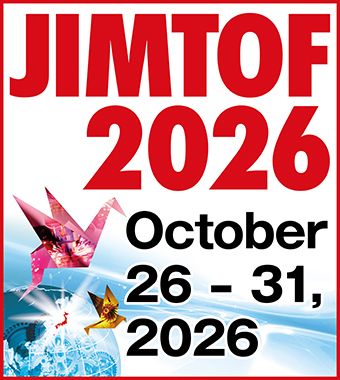
At Tokyo Big Sight, where the architectural skyline meets the waters of Tokyo Bay, an industrial quiet precedes what promises to be a defining moment for global manufacturing. Across six days, from October 26-31, 2026, the venue will host the 33rd edition of the Japan International Machine Tool Fair (JIMTOF 2026).
Adorned with folded origami motifs symbolizing technology taking flight, the fair’s theme captures an industry undergoing a profound structural shift. Machine tools are no longer isolated cutting engines; they are transforming into intelligent, self-optimizing nodes designed to address global supply chain shocks, persistent labor shortages, and stringent decarbonization mandates.
 Scaling New Heights Amid Complex Spaces
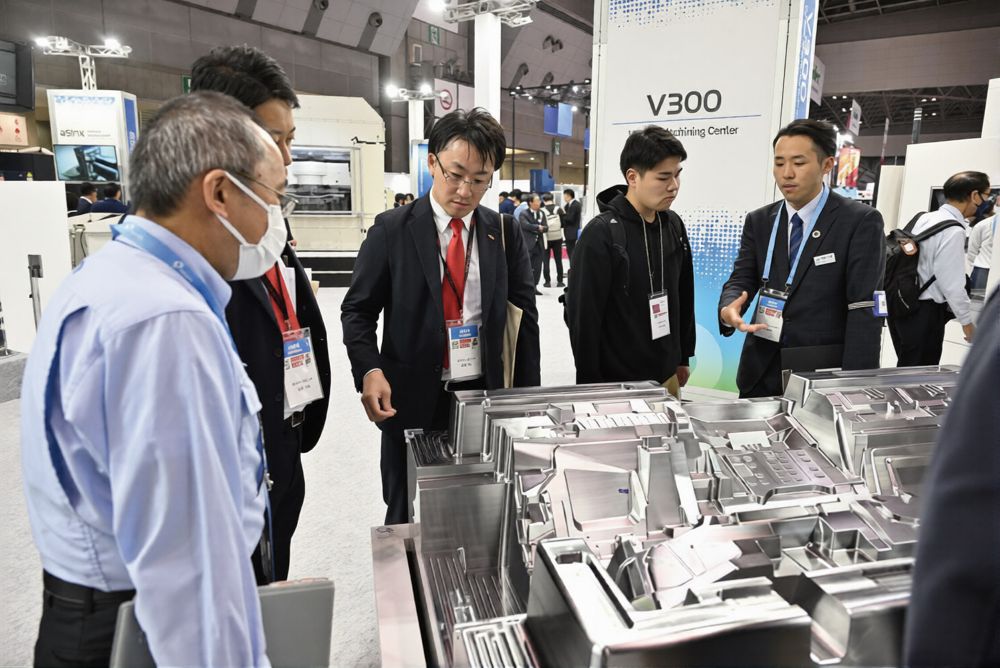
Organized jointly by the Japan Machine Tool Builders’ Association (JMTBA) and Tokyo Big Sight Inc., JIMTOF has served as a global industrial barometer for over six decades. The 2026 edition stands out not only for its technical ambition, but also for its structural resilience. The organizers have expanded the event footprint to accommodate 1,134 exhibiting companies from 22 countries and regions across 4,422 booths, marking the second-largest exhibition scale in JIMTOF’s history.
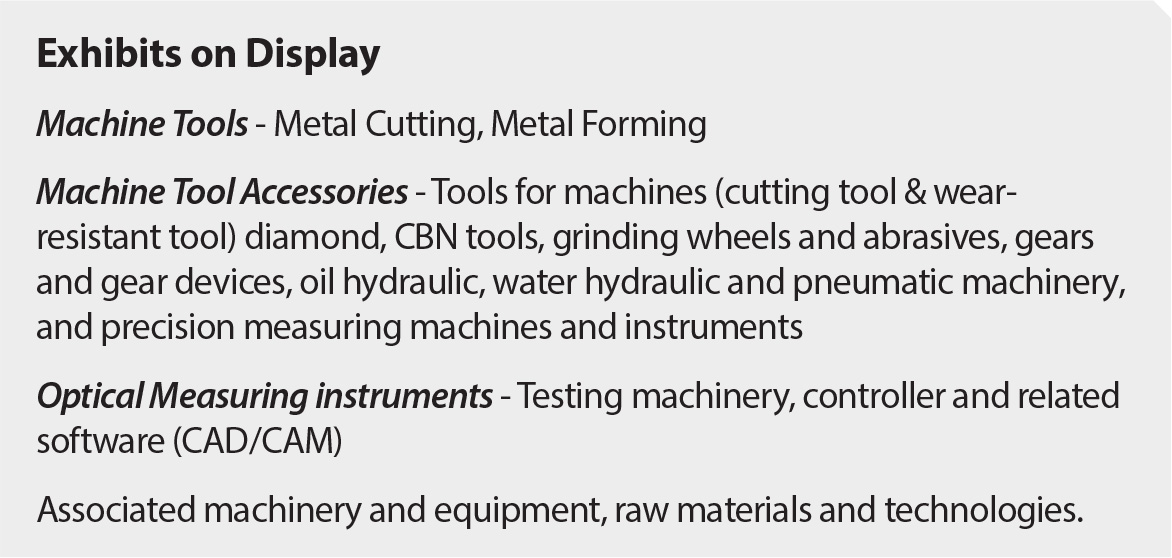
Central to this footprint is the impressive JMTBA member presence with 99 association companies slated to occupy 1,756 booths. Among those, 46 member firms are scheduling global debuts for new technologies, while every participating member will showcase upgrades geared toward enterprise-wide process optimization. To maintain navigation clarity, booths across East, West, and South Halls remain strictly organized by machinery and accessory categories.
Technological Pillars Shaping the Floor
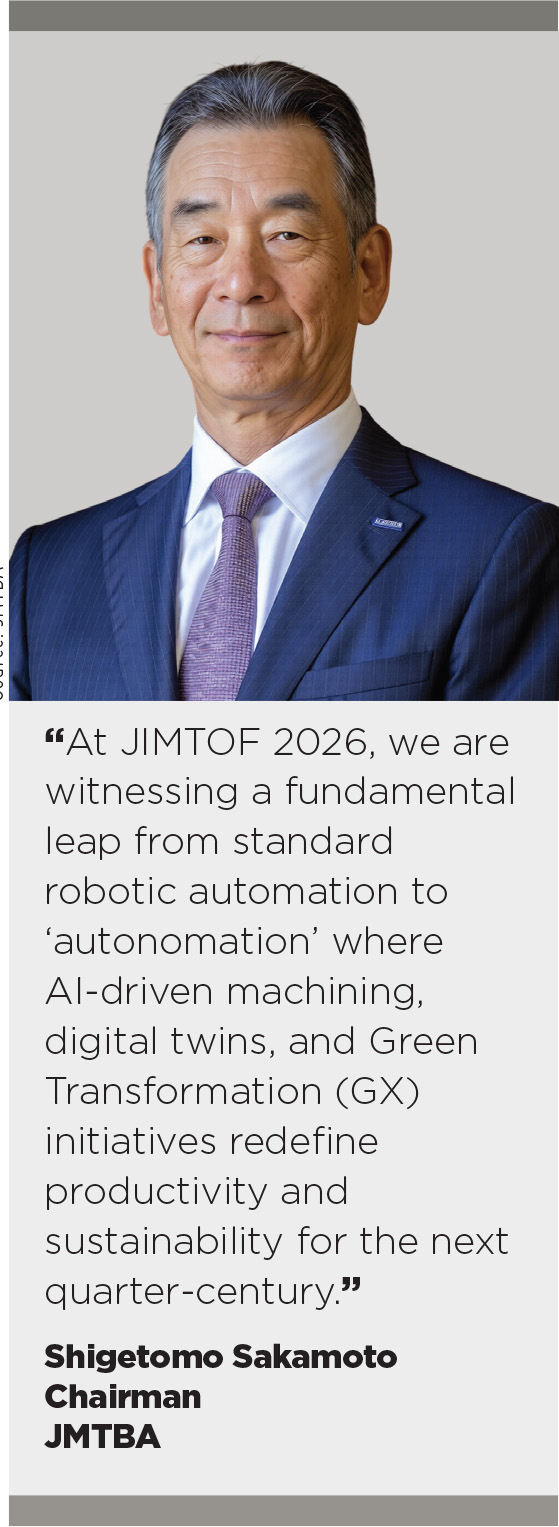
According to Shigetomo Sakamoto, Chairman, JMTBA, JIMTOF 2026 serves as a living laboratory for four core industrial shifts:
From Machine Data to Orchestrated AI: The introduction of generative AI has accelerated software adoption beyond simple diagnostic logging into real-time operational execution. Visitors will observe AI models managing design workflows, predictive maintenance routines, automated quality inspection, and dynamic work cell coordination across connected equipment.
Digital Twins and Green Transformation (GX): Digital twin technology is expanding from isolated spindle modeling to comprehensive, real-time factory emulation. By mapping energy draw and CO2 output across entire production lines, exhibitors will demonstrate how virtual monitoring directly aligns green metrics with overall equipment effectiveness (OEE).
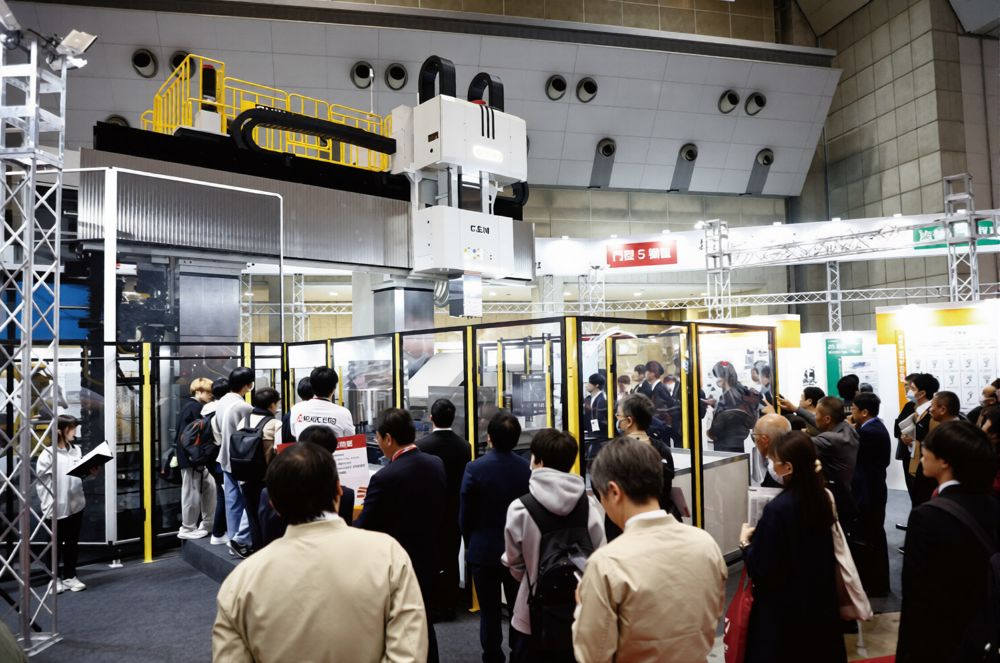
The Shift to Autonomous Systems: Addressing structural labor shortages requires systems that move beyond fixed robotic tasks. Exhibitors will feature integrated cells combining machine tools, Autonomous Mobile Robots (AMRs), collaborative units, and AI vision systems capable of autonomous part recognition, position self-correction, and adaptive handling.
Industrial-Grade Additive Manufacturing (AM): Additive technology continues its migration from rapid prototyping to serial production. Focus areas will highlight complete AM ecosystems spanning generative design software, powder metallurgy systems, post-processing tools, and integrated non-destructive testing for complex components in aerospace, medical, and energy applications.
Where Human Tactile Skill Meets Robotics
 |
 |
JIMTOF 2026 will present a dedicated dual-zone special exhibition highlighting AI and robotics:
- Humanoid Robotics Zone: Under the banner ‘Machine Tools Supporting the Evolution of Japanese-Made Humanoids’, this exhibit traces the high-precision machining, gearing, and component fabrication required to power the next generation of humanoid platforms.
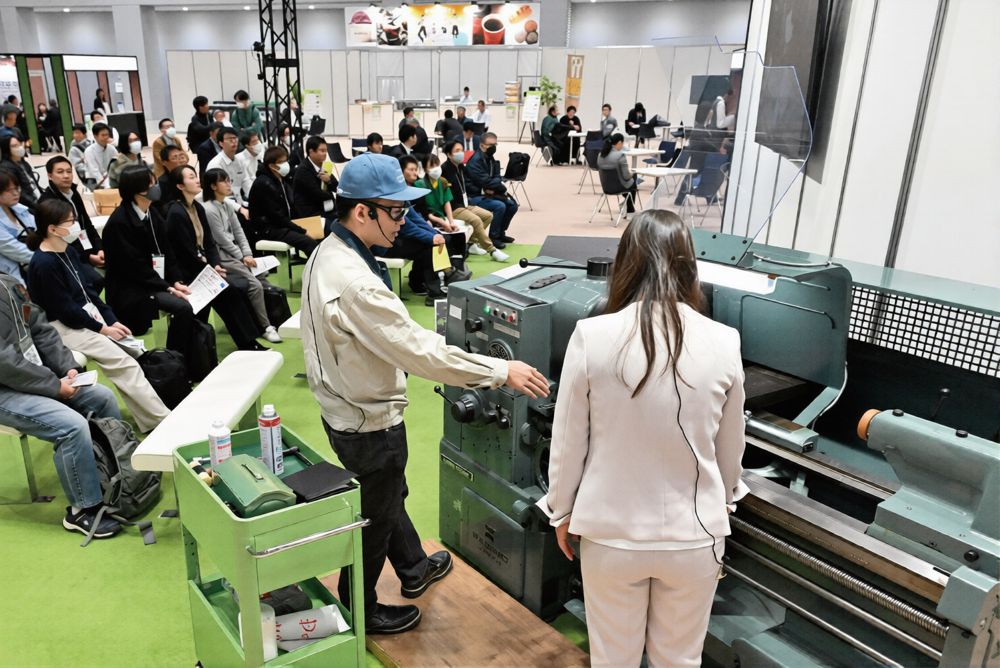
- Collaborative Kisage (Hand- Scraping) Zone: Themed ‘Craftsmen and Robots: A Challenge in Collaborative Kisage Work—the Crystallization of Skilled Craftsmanship’, this live exhibit brings traditional hand-scraping (kisage) into conversation with modern automation. Master craftsmen from member companies will offer daily demonstrations and interactive workshops, illustrating how tactile precision informs modern mechanical guidance systems.

Knowledge Sharing and Workforce Cultivation
Knowledge exchange remains a central function of the fair. Coinciding with the exhibition, the 21st International Machine Tool Engineers Conference (IMEC 2026) will convene under the overarching theme ‘The Machine Tool Industry’s Challenge for a New Quarter-Century’.
(i) Technical Sessions on October 28–29: Featuring 15 curated technical papers delivered by international research leaders and engineering experts.
(ii) Academic Poster Session on October 28–30: Set in South Hall 4, showcasing 56 university and institutional research projects focused on cutting-edge machining technologies, with authors hosting daily open Q&A sessions.
Concurrently, JMTBA is expanding its talent development programs. STEM students from across Japan will participate in hands-on jig boring machine workshops, guided exhibitor tours, and the national ‘Machine Tool Top Seminar’, culminating in an evening networking session with senior manufacturing executives on the event’s final day.
Global Industrial Alliances
Highlighting JIMTOF’s international reach, Kazuo Yuhara, President, JMTBA, emphasized strengthening cross-border supply chains, particularly with rapid-growth manufacturing hubs. Building upon initiatives introduced in 2024, JMTBA will host a structured bilateral business-matching program inviting eight senior executives from five leading Indian machine tool dealerships to establish direct distribution alliances with Japanese builders during the show.
Countdown to the Show
As Tokyo Big Sight prepares to open its doors this October, JIMTOF 2026 offers an integrated view of modern manufacturing, where traditional master craftsmanship and high-level algorithmic automation converge to shape the industry’s next quarter-century.
Image source: JMTBA
 |
SOUMI MITRA |
 Facebook
.png) Twitter
 Linkedin
 Subscribe