
EON Space Labs’ Mini Telescope ‘MIRA’ Clears Space-Grade Tests
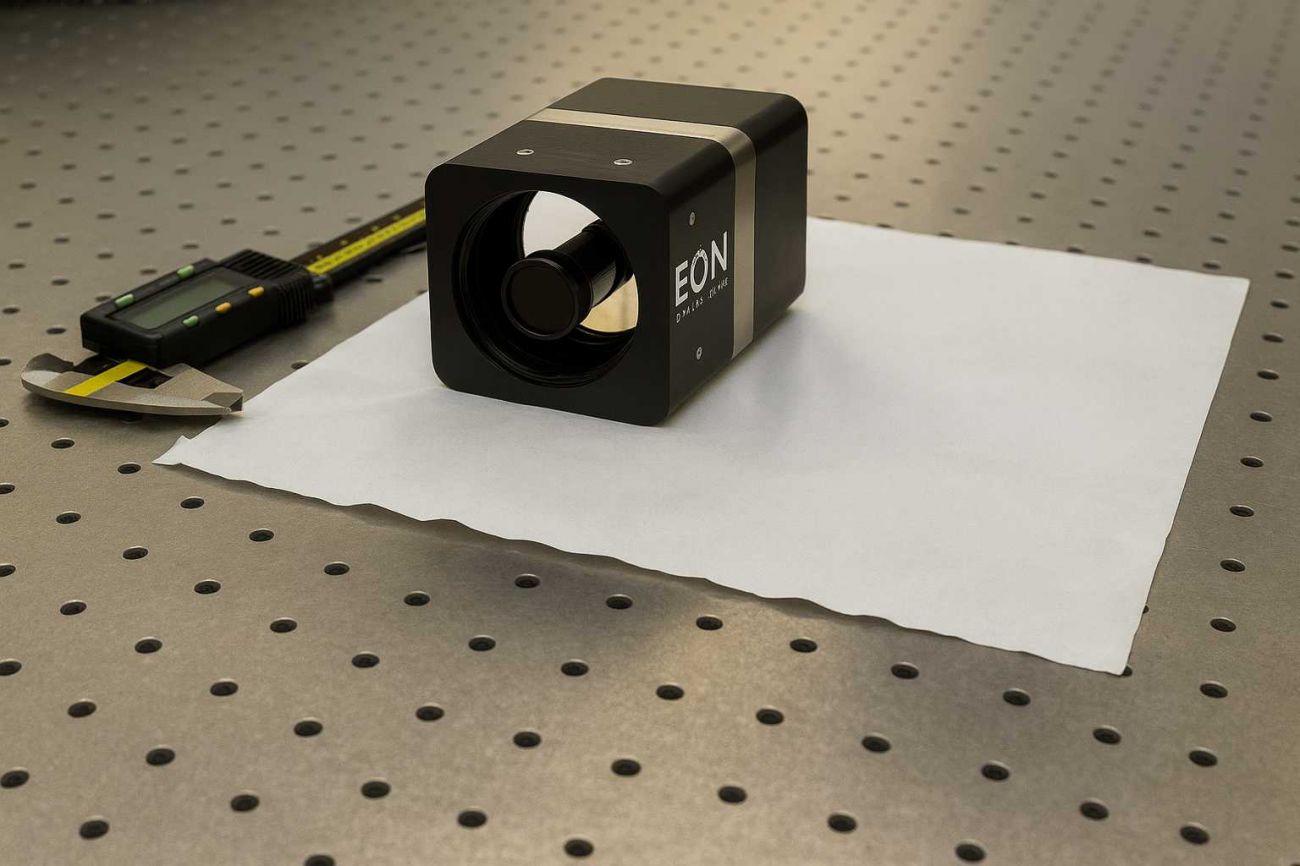
Telangana, India – EON Space Labs, a Hyderabad-based deep-tech startup specializing in multi-domain earth observation, confirmed that its flagship electro-optical space telescope ‘MIRA’, successfully completed thermo-vacuum (TVAC) testing. The milestone qualifies MIRA as India’s first indigenously developed space telescope, ready to tackle the harsh environment of space during low Earth orbit (LEO) missions. MIRA has been developed as an electro-optical payload onboard satellites, utilized for dual-use strategic defence and commercial space missions.
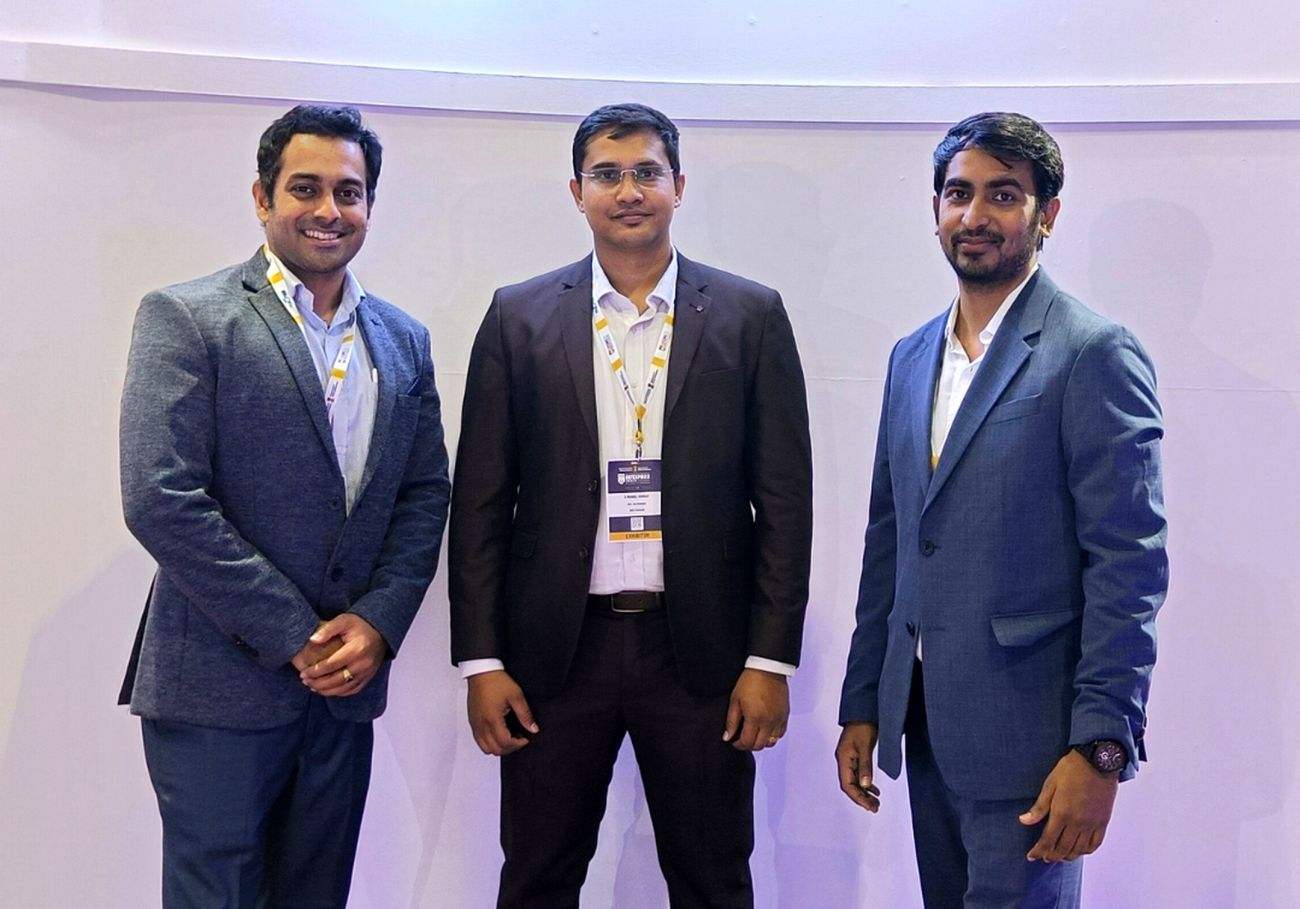
Sanjay Kumar, Co-founder, EON Space Labs, said, “This is a truly defining moment for us. Space-grade certification proves that ultra-complex, high-precision imaging platforms can now be built and certified entirely from within India.”
The miniaturized space telescope meets stringent NASA standards for space-readiness, tested for temperature stability, vacuum tolerance, and in-orbit operational reliability. Testing was conducted at an NABL-accredited facility in Ahmedabad at vacuum levels below 10⁻⁵ torr and extreme temperature swings between −20°C and +60°C. MIRA performed beyond expectations with negligible outgassing and zero optical or structural drift. It was also integrated with the onboard high-performance computer of its satellite partners, successfully demonstrating autonomous imaging and telemetry under simulated orbital conditions. MIRA is scheduled for a heritage space flight onboard an upcoming satellite orbit mission later in December 2025.
Punit Badeka, Cofounder, EON Space Labs, said, “MIRA enables the highest-quality imagery at a fraction of traditional size and weight limitations. We’re not only focused on India’s self-reliance in earth observation but aim to tap the global market with MIRA.”
Designed to deliver the highest-resolution imagery while weighing barely 502 grams, MIRA is at least 3 to 4 times lighter than conventional space telescopes. Payload delivery costs, which can be as high as US$ 10K to 20K per kilogram, can be slashed without the need for compromising on image resolution.
“Our vertically integrated optical and AI-enabled stack delivers an operational payload perfectly aligned for the extreme environment of space,” added Manoj Kumar Gaddam, Co-founder, EON Space Labs.
While MIRA heads toward orbit, EON Space Labs is also focusing on the parallel development of its LUMIRA EO/IR aerial imaging and reconnaissance platforms, designed as a dual-use payload for drones, UAVs, eVTOL, and fixed-wing aircraft. The approach reinforces the startup’s commitment to vertically integrated optics designed for multi-domain dual-use applications across space, aerial, and ground-based platforms.
Image Source: EON Space Labs
 Facebook
.png) Twitter
Twitter Linkedin
 Subscribe