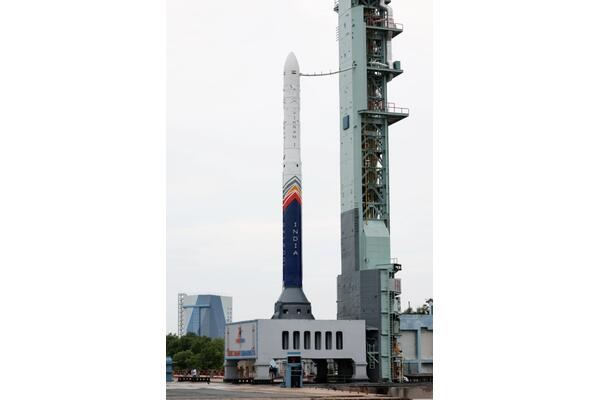

Skyroot Aerospace Makes History with First Successful Private Orbital Launch from India
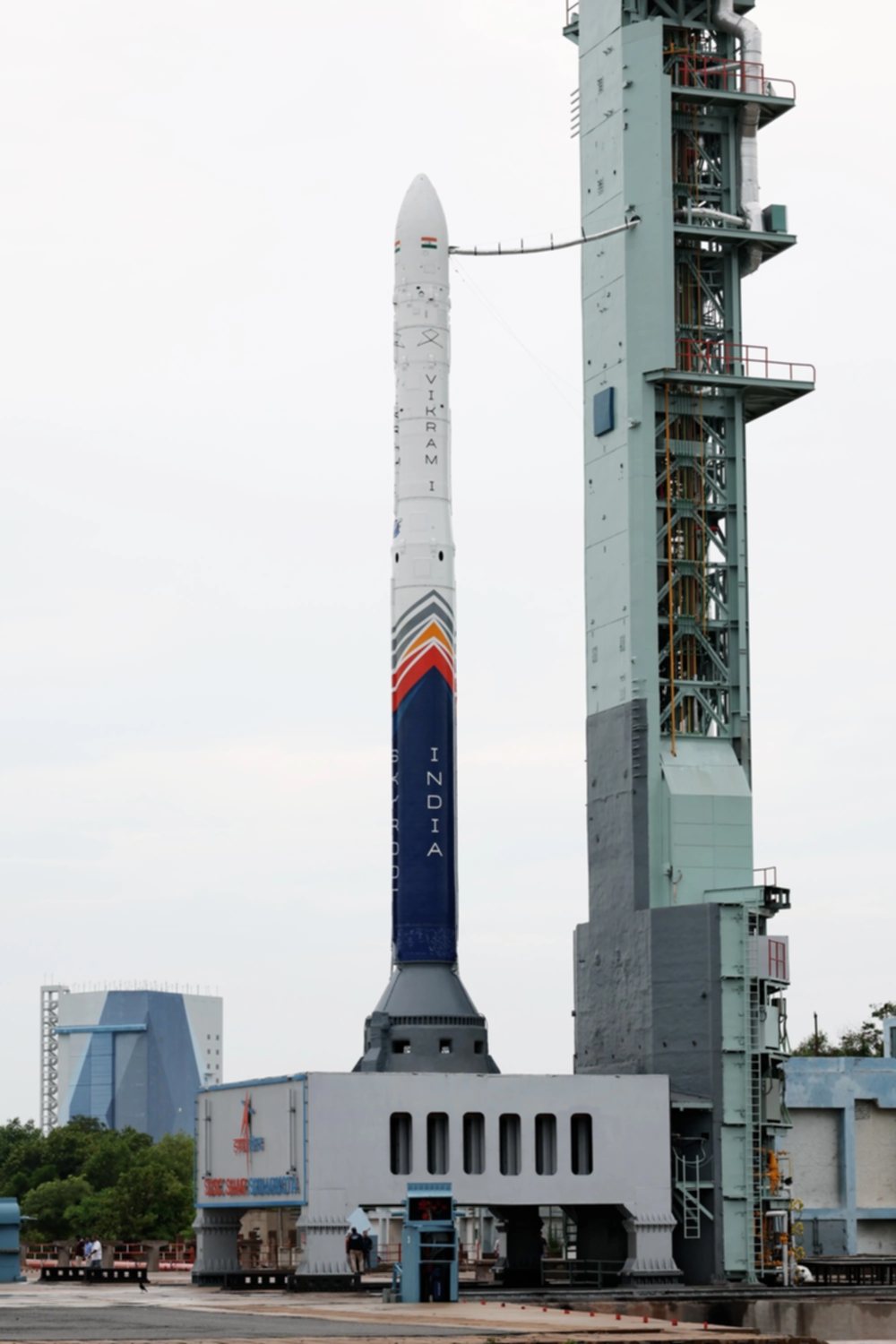
Indian space startup Skyroot Aerospace successfully launched its Vikram-I rocket from the Satish Dhawan Space Centre (SDSC) today. The mission marks the first time a private Indian company has conducted an orbital rocket launch from Indian soil, achieving success on its very first attempt.
The four-stage rocket comprising three solid stages and a liquid upper stage—successfully delivered two satellites, SCOPE and Grahaa, into Low Earth Orbit (LEO). The remaining payloads on the upper stage will conduct various in-orbit experiments. This milestone follows Skyroot Aerospace's earlier sub-orbital test launch of the Vikram-S rocket from Sriharikota on November 18, 2022.
This achievement stems from the Government of India's 2020 space-sector reforms and the subsequent IndianSpacePolicy, which opened the sector to private industry and accelerated the growth of domestic space startups.
ISRO - Indian Space Research Organization (ISRO) and the Indian National Space Promotion and Authorization Centre (IN-SPACe) provided critical support to ensure the mission's success. ISRO granted Skyroot Aerospace access to its specialized infrastructure, including solid motor casting and static test facilities at SDSC to validate the rocket's first and second-stage motors. The upper stage's liquid engine, RAMAN-I, was tested at ISRO's Liquid Propulsion Systems Centre (LPSC).
ISRO teams also provided round-the-clock safety supervision and operational assistance, covering vehicle stage preparation, material handling, transport, trajectory analysis, and integration on the First Launch Pad (FLP).
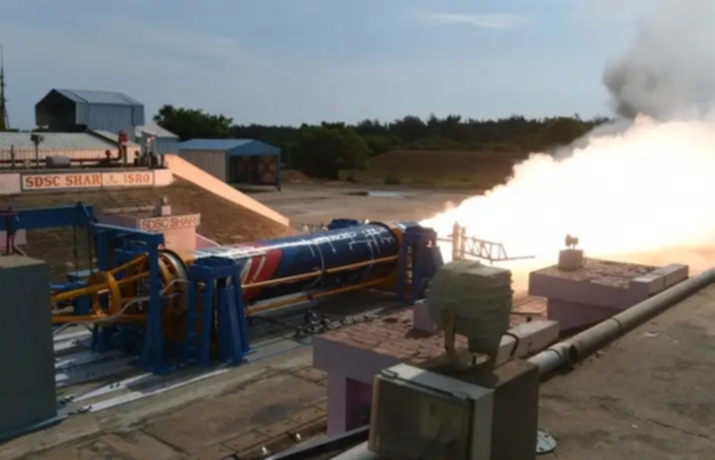
IN-SPACe played a central role by streamlining the regulatory mechanism for Non-Governmental Entities (NGEs) like Skyroot to access ISRO facilities, while handling technical consultancy, mission readiness reviews, and final launch clearances.
Image Source: ISRO - Indian Space Research Organization
 Facebook
.png) Twitter
Twitter Linkedin
 Subscribe