
Precision Between Pico and Power
The future of metalworking will be small, fast, hot and precise. This is something Dina Reit, Managing Director of the machine manufacturer SK Laser, and David Kilburn, Director of Flexible Automation – Europe, Lincoln Electric, totally agree on.
On the threshold of market ramp-up, the most important development for Dina Reit is ‘microprocessing using picosecond lasers’. For David Kilburn, the ‘Precision Power Laser Process; is the next ‘hot thing’ – and in the truest sense of the word.
 |
|
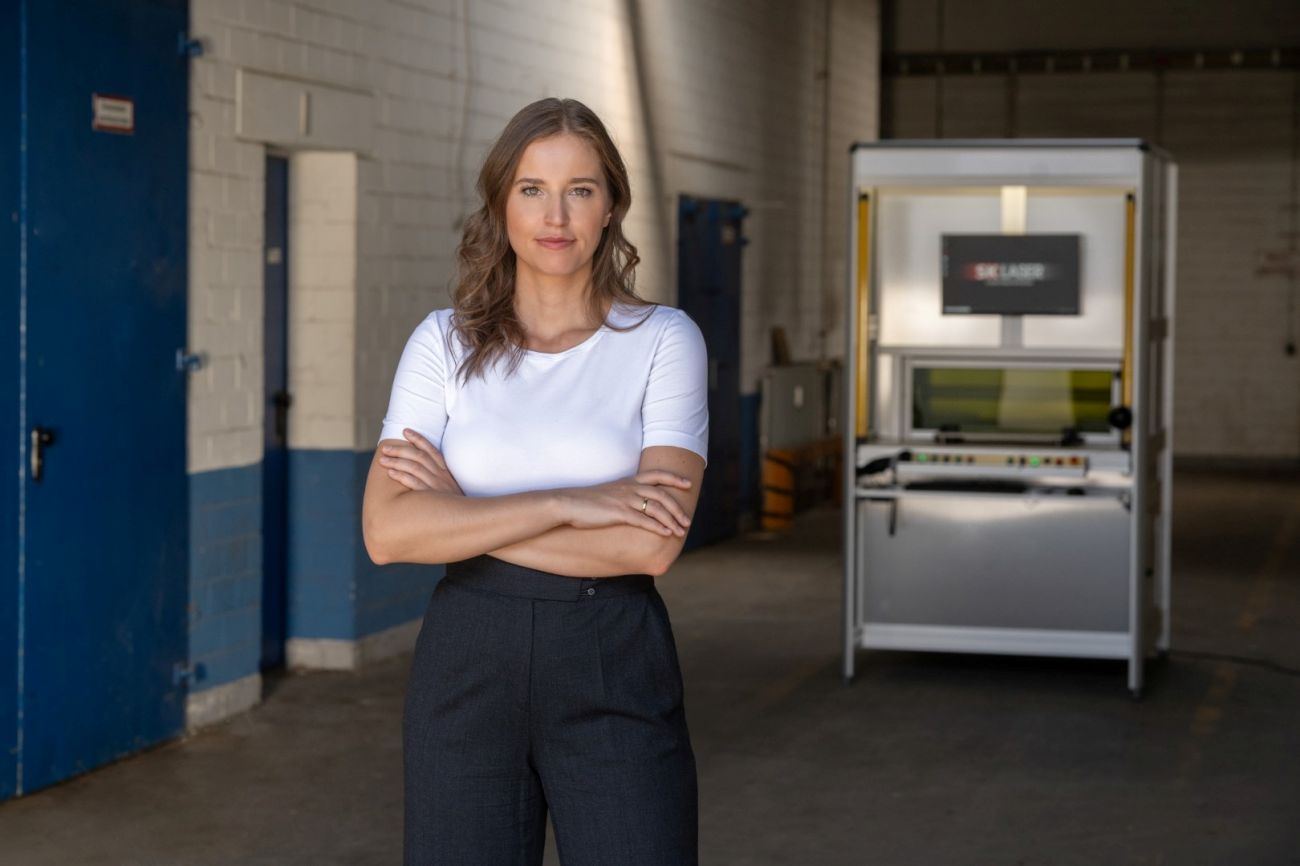
Dina Reit heads the SK Laser company, founded by her father Christoph Kollbach |
Reit belongs to that young generation of company bosses who bring a breath of fresh air to medium-sized companies. As an influencer, podcaster, and sought-after congress speaker, she opens up new perspectives on laser processing and shares her enthusiasm for lasers of all kinds. The company, which she took over from her father, manufactures custom laser machines for surface processing a wide variety of materials. “As a system integrator, we ensure the perfect interplay between technology, hardware, software, scanners and cameras,” she explains. In this, precision is key.
Microprocessing Using Picosecond Lasers
 |
|
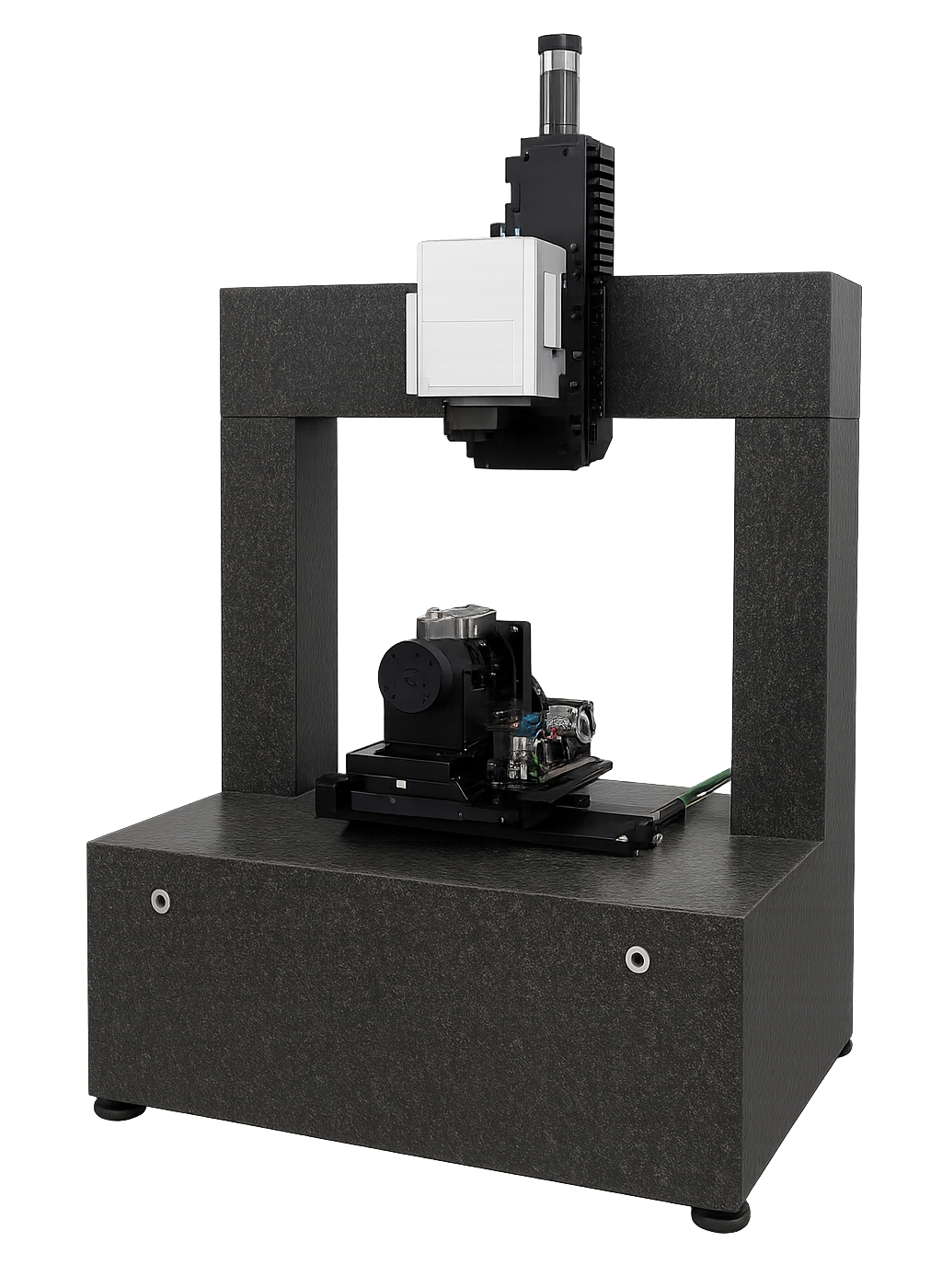
Picosecond laser setup: Granite hard rock table, axis system and laser scanner. |
To their thinking, the topic to redefine quality and transparency in the metal industry is microprocessing using picosecond lasers. According to the laser expert, so far, this topic has mainly been playing a role in research. Picosecond lasers are also used in cosmetic medicine, for example for removing tattoos. However, they have not yet arrived in their industry. But Reit is convinced that “this will change quickly; we are on the verge of a tipping point.” What's so special about the process?
Picosecond lasers emit ultra-short light pulses in the one trillionth of a second range. “Because the laser pulse is so short, the material is hardly affected during processing," she explains. This is similar to human skin. Medical instruments such as scalpels for example can be labeled without any fine cracks forming in this way. This is a prerequisite for hygienic scalpels; in turn, laser markings improve transparency when using medical tools. Moreover, picosecond lasers can be used for precisely cutting out the smallest of parts for electrical production – an area where things are getting ever smaller but enjoying significant economic growth. Reit is convinced: “Anyone working in these industries can no longer avoid picosecond lasers. That is why we invest in appropriate production facilities. We believe in their success.”
Precision Power Laser
 |
| David Kilburn is Director of Flexible Automation – Europe at Lincoln Electric. |
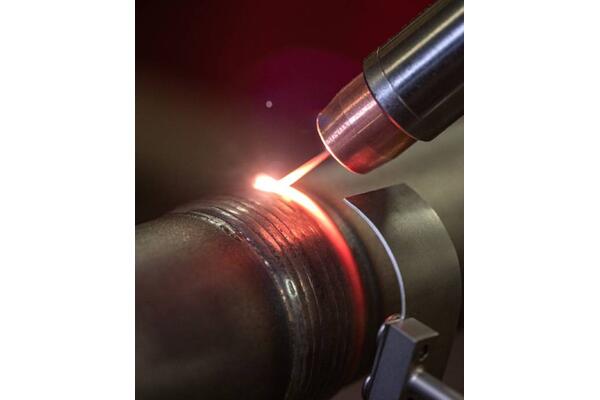
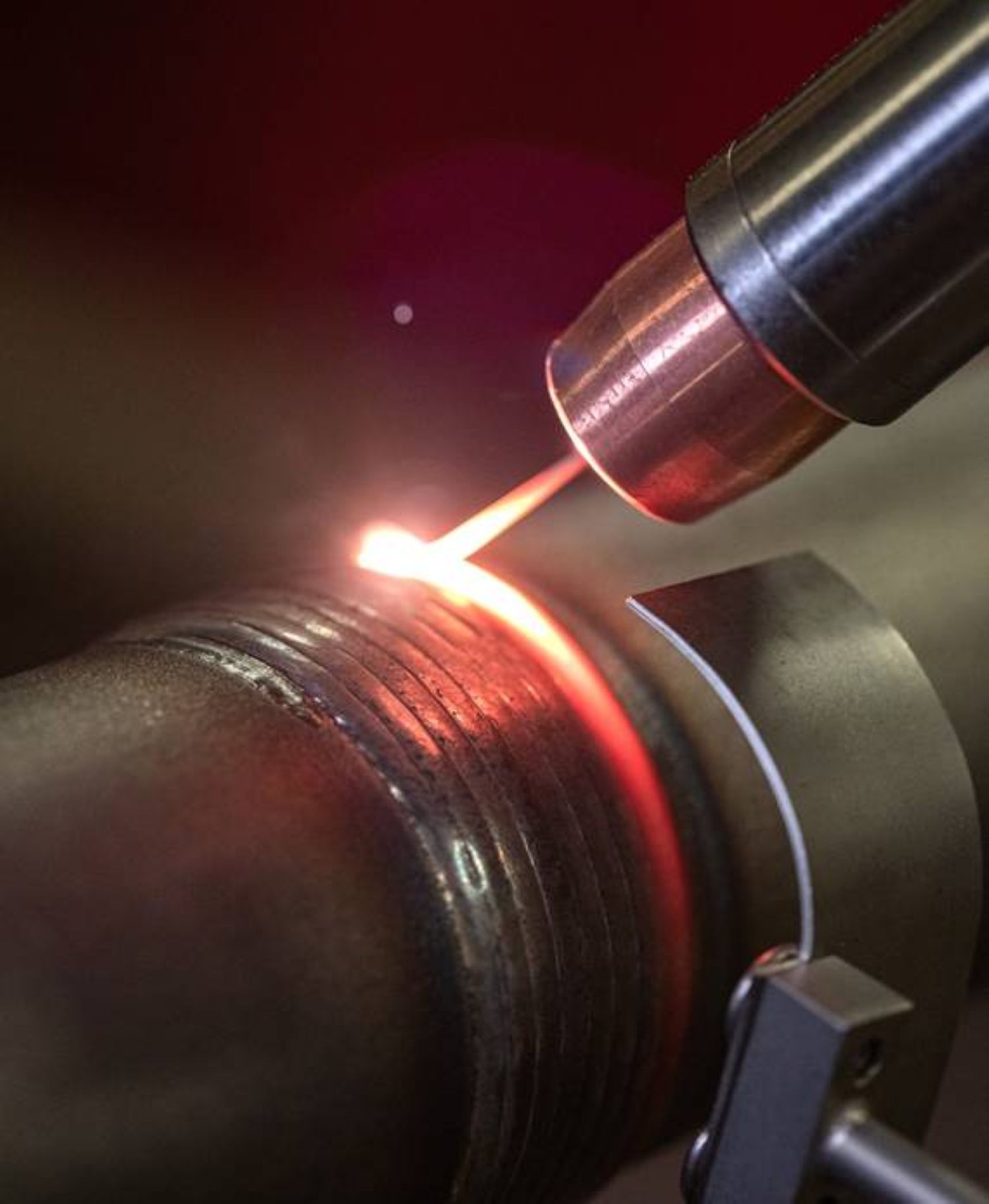
Precision Power Laser processing is a hot business. “We've created the world's hottest laser hot wire,” says Kilburn. The Director of Flexible Automation – Europe for Lincoln Electric – the global market leader for welding and cutting solutions – considers this "a future solution that we already have today". But what exactly does that mean?
“The Precision Power Laser process is an innovative arc-free hot-wire laser process for welding and plating,” he says. The process is characterized by high speeds; with the ability of processing over three meters per minute. Thermal distortion is also kept to a minimum, increasing quality and efficiency of production. “This makes the process perfect for automated welding, like with battery boxes in electric vehicles,” but also for plating metals and numerous other applications. In any case, the growth potential is enormous.
Products Become Solutions
Transparency is a cornerstone of their company philosophy. “We consider products only as solutions once the results of their use can be quantified," explains Kilburn. “The beauty of fact-based decisions is that they aren't influenced by emotions. If I can use the Precision Power Laser process to achieve three metes per minute instead of just one meter with other processes, then that’s a fact that speaks for itself."
Innovation is in the company's DNA anyway. “One-third of the products we sold in 2025 were created in the last three years,” he shares. Anyone who constantly invents new things must, of course, continuously convince their customers of their innovations. “That's why we have our Application Resource Centres. At 41 locations worldwide, we can demonstrate our new developments to customers under operating conditions.” And convince them with the facts. One example being their precision power laser machining technology of the future.
 Facebook
.png) Twitter
Twitter Linkedin
 Subscribe