
TOWARDS EVS, SUSTAINABILITY AND COLLABORATION
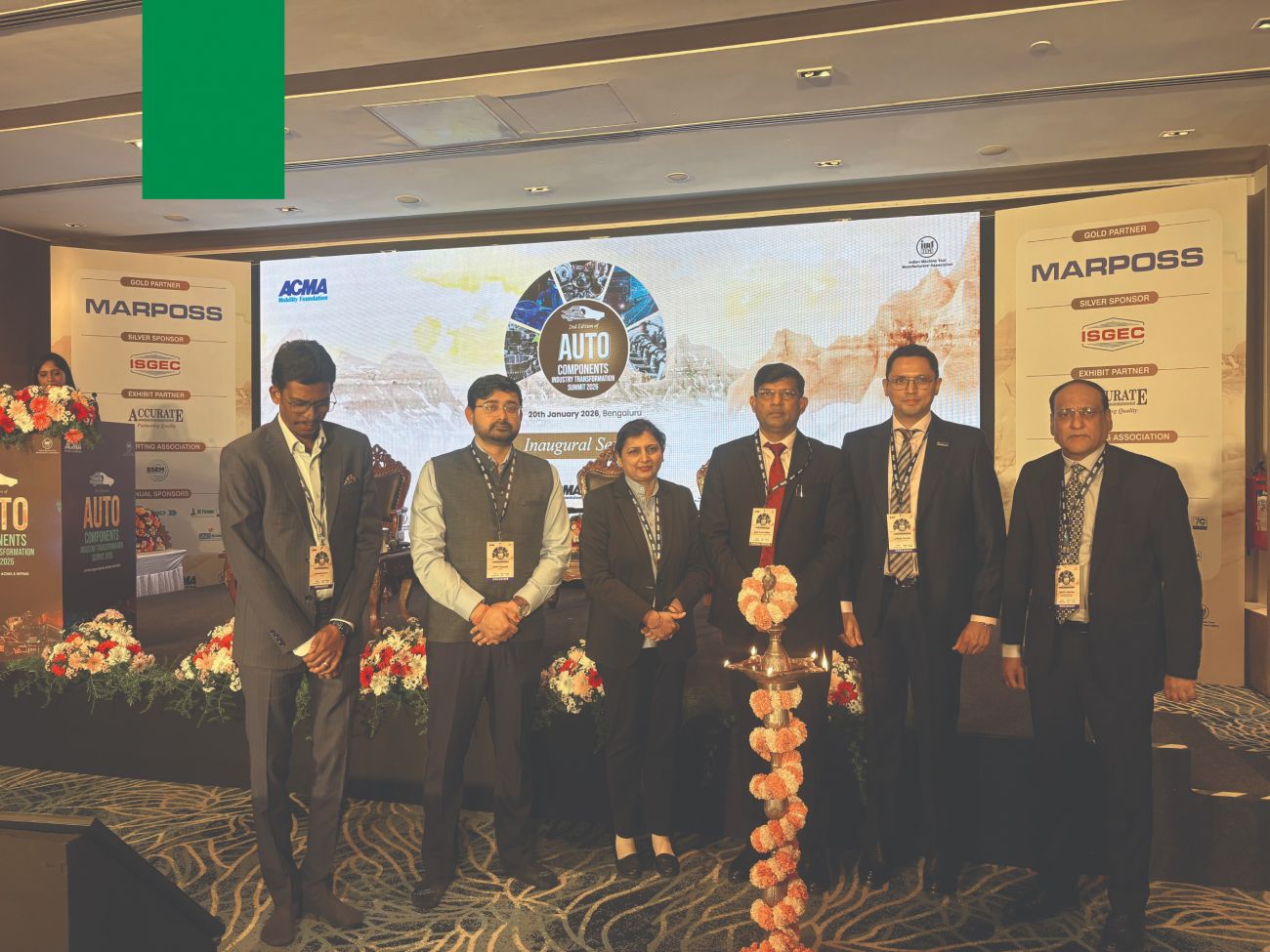
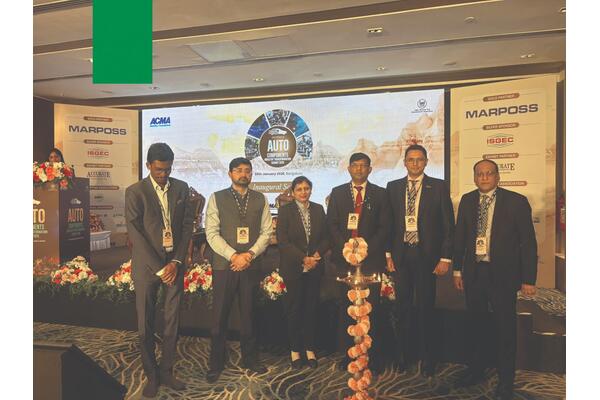
The second edition of the Auto Components Industrial Transformation Summit was held on January 20 in Bengaluru, ahead of IMTEX FORMING 2026. Jointly organized by the ACMA Mobility Foundation and IMTMA, the event focused on the role of automation, AI-driven technologies, and smart machining for EV and next-generation vehicles.
The summit opened on an optimistic note, with industry leaders highlighting the sector’s resilience and growth potential despite recent challenges.
Aditya Ganesh, Chairman, ACMA (The Automotive Component Manufacturers Association) India, shared key industry statistics and highlighted the Automotive sector’s resilience during the COVID-19 pandemic. He noted that growth is now visible across the country and expressed confidence in India’s future. He described the “India story” as strong and full of opportunity for the automotive sector.
Speaking on the importance of self-reliance, especially in the context of intensifying global geopolitical situation, Vikram Salunkhe, Vice President, IMTMA (Indian Machine Tool Manufacturers' Association), noted, “The success of India’s automotive transformation depends on how effectively the machine toolautomotive industries collaborate.”
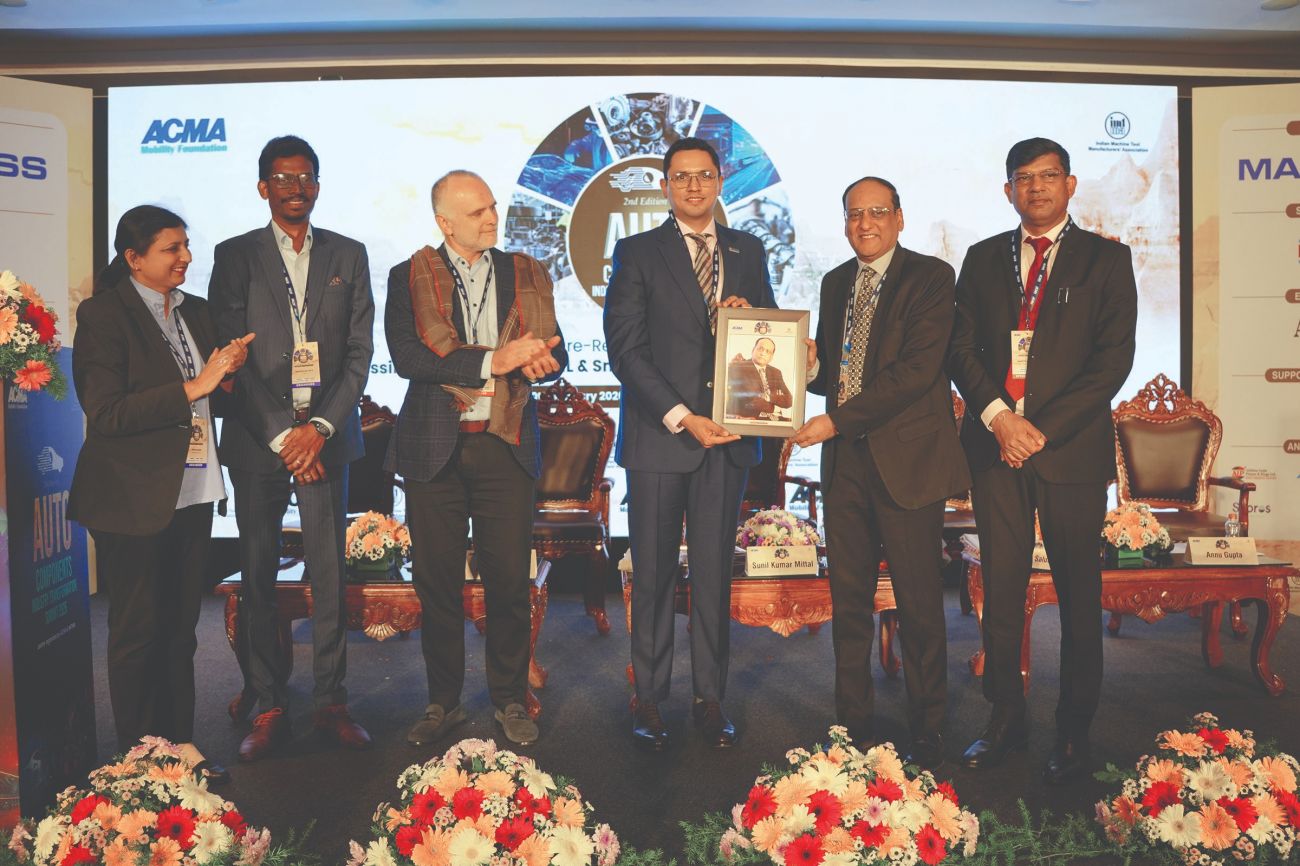
Sunil Kumar Mittal, Operating Head, Honda Motorcycle and Scooter India, highlighted the importance of the growing two-wheeler segment. He also spoke about the shift towards data-driven manufacturing and the increasing use of AI on the shop floor. “Earlier, we used to call our suppliers as vendors, but now we call them partners,” he said, highlighting the evolving relationships in the industry today.
Annu Gupta, Co-Founder & Director, Kavia Engineering Pvt Ltd, concluded the opening session by summarizing the key points and setting the tone for the discussions that followed.
Key Themes Shaping the Industry
The summit featured three panel discussions, each focusing on critical areas for the future of the Automotive sector.
Supply Chains and the EV Transition
The first panel discussion focused on supply chains in the contemporary automotive component industry, and the transition from internal combustion engines (ICE) to electric vehicles (EV).
Moderator S Manohar, General Manager & Regional Head, VDMA India (The German Engineering Federation), highlighted how this transition is affecting component suppliers, especially in Indian Tier II and Tier III cities.
Panelists, including Gupta and Murli Manohar, Regional Leader, Rockwell Automation, shared perspectives of suppliers and electric vehicle component partners and the impact of automation and seamless nature of the Automotive industry today.
A key takeaway from the discussion was the need to combine India’s traditional ‘jugaad’ (frugal innovation) approach with structured research and development. This balance, they noted, will help drive innovation in a more scientific and sustainable way.
|
The Summit provided valuable insights into the future of India’s Automotive industry. It successfully reinforced the idea that innovation, partnerships, and continuous learning will be key to driving the industry forward. |
Sustainability Takes Center Stage
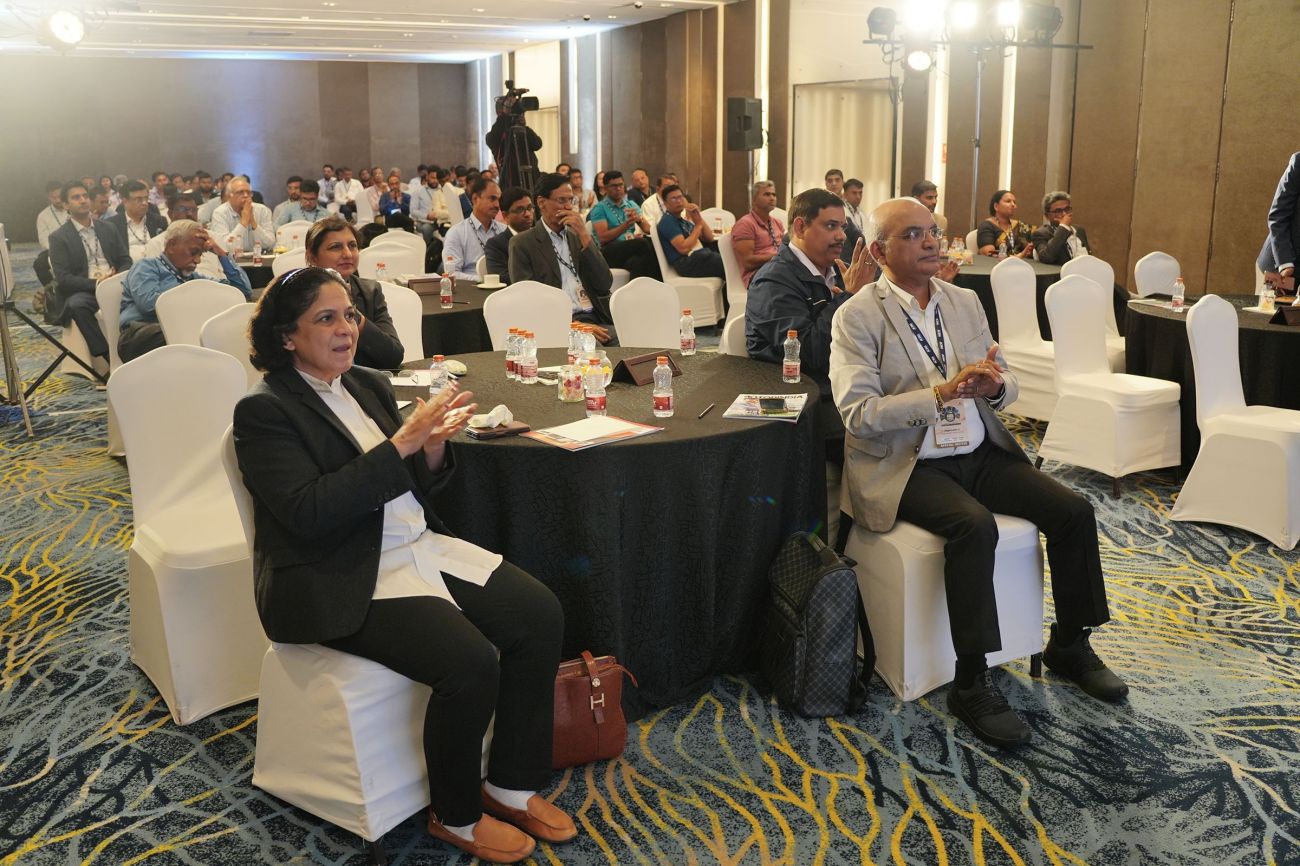
The second panel addressed sustainability in the Automotive industry.
Moderator Keerthi D’Souza raised important questions about what sustainability means and how it will evolve in the future.
Barathan Annamalai, CEO, Sankar Advanced Mobility Solutions, explained that sustainability has moved from being a minor concern to a major priority for businesses.
Dr S Devarajan, Senior Vice President Engineering, TVS Motor Company, and Rajat Srivastava, Key Account Executive, TUV Rheinland, shared perspectives on sustainability standards in India and Europe, drawing examples from their ground work. They emphasized that sustainability is an ongoing process that includes economic, environmental, and social factors.
Bridging Industry, Academia and Government
The final panel focused on improving collaboration between industry, academia, government, and startups. Moderator Prof Ramesh Babu from IIT Madras highlighted the importance of initiatives like Viksit Bharat for strengthening India’s Manufacturing sector.
Prashant Doreswamy, President & CEO, Continental India and Aditya Ganesh, Chairman, ACMA, emphasized the need for upskilling and regular updates to academic curricula. This would help reduce the gap between education and industry requirements.
KB Sridhar, CEO, Olystra Special Tools, stressed the importance of faculty development programs to keep educators updated with recent industry trends.
The panel concluded by calling for stronger partnerships and policy support to help startups and emerging businesses grow.
The second Auto Components Industrial Transformation Summit provided valuable insights into the future of India’s automotive industry. The event successfully reinforced the idea that innovation, partnerships, and continuous learning will be key to driving the industry forward.
 |
Sovan Tudu |
 Facebook
.png) Twitter
Twitter Linkedin
 Subscribe