


Tungaloy’s Smarter, Long-Term Tool Solutions for Rising Carbide Costs
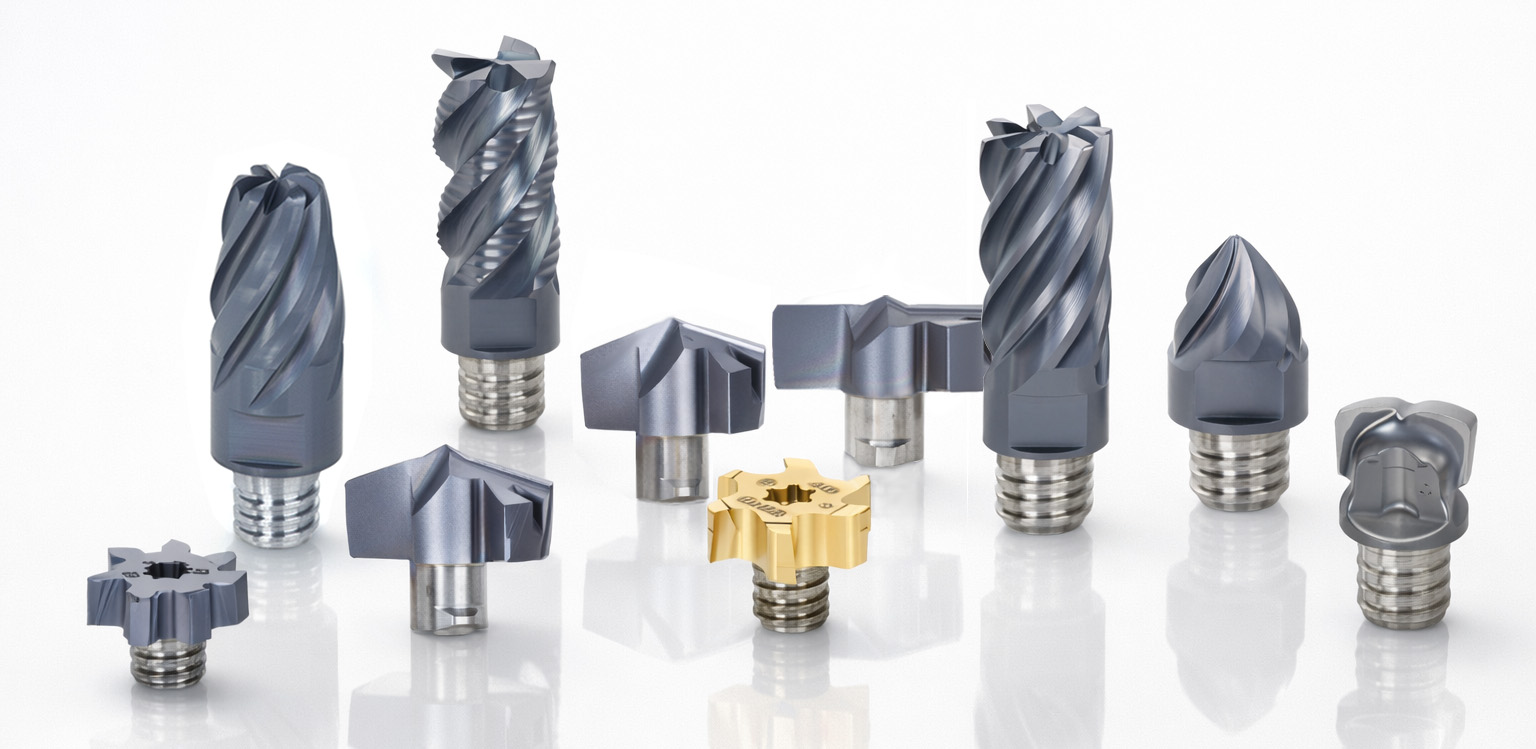
Rising tungsten prices, growing raw-material scarcity, and increasing demand from high-end manufacturing sectors are reshaping the global cutting tool industry. In 2025, carbide rod and cutting tool manufacturers implemented multiple price adjustments, with their full impact expected to become more pronounced in 2026.
As cost pressures intensify, manufacturers are being challenged not only to absorb higher prices but also to rethink how cutting tools are designed, used, and replaced.
At Tungaloy, this challenge is being addressed through tool architecture. The company is emphasizing exchangeable-head solid carbide systems that reduce material consumption and environmental impact while delivering superior machining performance.
Material Efficiency, Sustainability, and Versatility
Conventional solid carbide tools require complete replacement once worn, resulting in significant material consumption and waste. Exchangeable-head systems take a different approach: only the worn cutting head is replaced. This approach reduces carbide usage, limits waste, and lowers exposure to raw-material price volatility—an increasingly critical factor as access to key resources becomes more constrained.
Tungaloy’s DrillMeister drilling system and TungMeister milling system are built around this principle, enabling more efficient and responsible use of limited carbide resources compared with conventional solid tools.
Beyond material efficiency, the modular design offers a high level of versatility. TungMeister supports a wide range of milling heads for applications such as high-feed, face, shoulder, slotting, and chamfering operations, while DrillMeister provides drilling heads optimized for diverse machining requirements. This flexibility allows manufacturers to respond quickly to changing production needs while reducing overall tooling inventory.
Supporting Advanced Manufacturing
Emerging industries demand tight tolerances, consistent surface quality, and stable processes—often alongside high tool consumption rates. By combining material efficiency with modular versatility, exchangeable-head systems help manufacturers balance productivity, cost stability, and long-term resource efficiency in these precision-driven environments.
A Long-Term View
Tungaloy’s philosophy is that when material costs continue to rise, the industry must look beyond short-term reactions. Smarter, long-term solutions are needed. Solutions built into the architecture of the tool itself. By reducing material waste and improving versatility, manufacturers can maintain productivity and stability even under changing conditions. In times like these, it is important not to lose focus—or, quite literally, not to lose one’s head.
Image source: Tungaloy
 Facebook
.png) Twitter
Twitter Linkedin
 Subscribe