
REDEFINING THE GRINDING LANDSCAPE
Driven by the strict mandates of zero-tolerance manufacturing, the acoustic demands of electric drivetrains, and an acute global shortage of skilled labor, the grinding sector is rewriting the economics of the production ecosystem.
Machine Learning (ML) algorithms operate in real-time, analyzing micro-sensory data to adjust manufacturing tolerances at a nanometer scale. This is the new reality of modern grinding. Grinding has evolved into the definitive frontier of smart manufacturing. We engaged with the industry's leading engineering minds to uncover how these advancements are transforming today's shop floors. To understand how sub-micron precision is achieved, manufacturers must look beneath the digital interfaces and focus directly on fundamental metallurgy.
Metallurgical Foundation Meets the Digital Brain
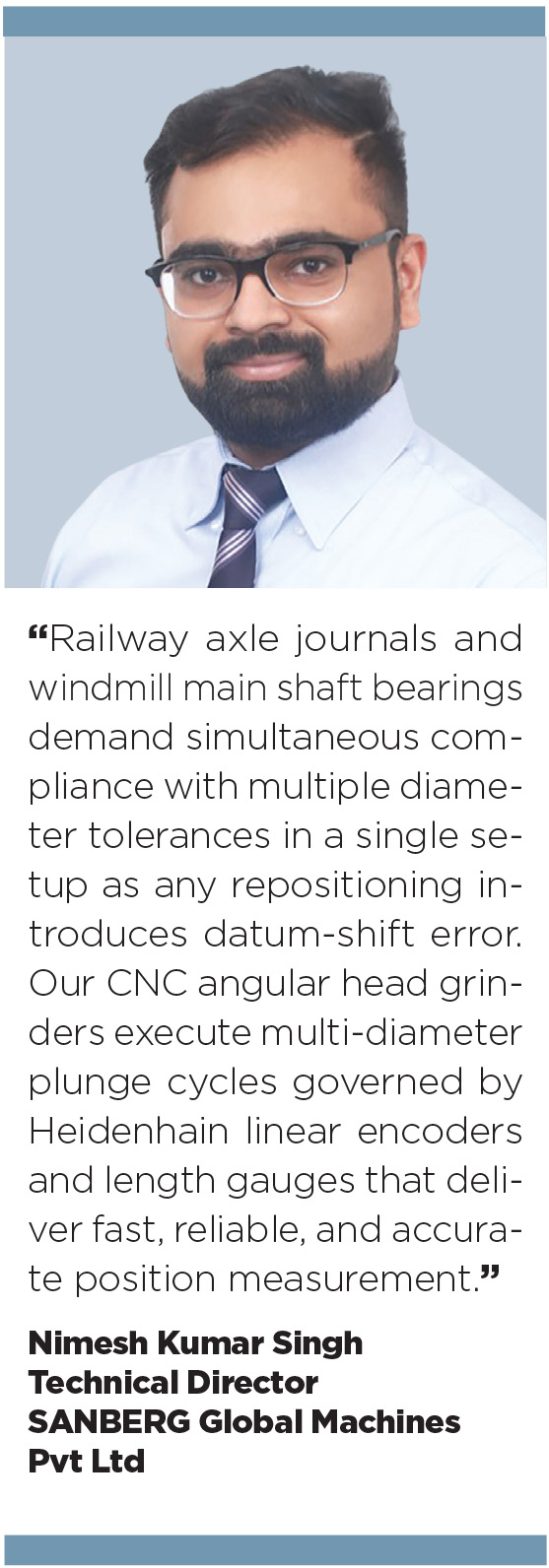
Nimesh Kumar Singh, Technical Director, SANBERG Global Machines Pvt Ltd, highlights that seasoned castings are an irreplaceable manufacturing asset. “A freshly poured casting carries residual internal stresses from solidification that will slowly redistribute over time, causing micro-distortions in critical datum surfaces long after the machine is commissioned,” he explains. “Natural aging, where castings are stored outdoors for extended periods, allows these stresses to dissipate gradually, achieving a level of microstructural equilibrium that ensures sub-micron precision over decades.”
This graphite flake matrix found in properly aged gray cast iron functions as a natural vibration absorber, completely dampening the micro-chatter that degrades component surface finishes. However, SANBERG does not simply rely on historical casting techniques; the company pairs this structural maturity with advanced artificial intelligence. In its Hyperion and Vulcan machine lines, SANBERG integrates Machine Learning models designed to optimize wheel dressing cycles.
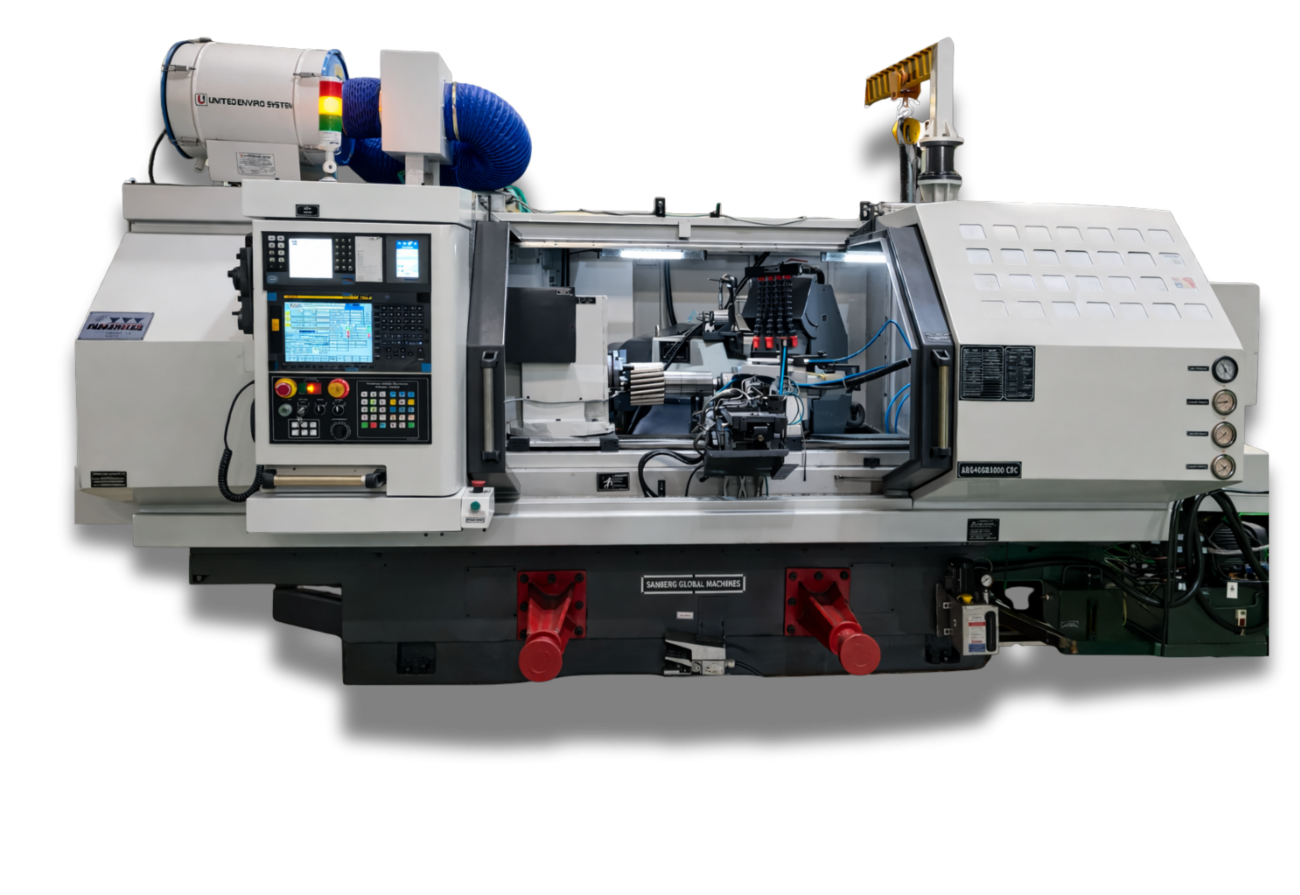
While traditional fixed-cycle dressing operates on conservative, arbitrary time intervals, wasting expensive abrasive grit and machine uptime, the ML models analyze live production data. By identifying subtle correlations between sensor patterns and wheel wear, the system predicts tool degradation well before errors manifest. On shop floors utilizing these automated systems, unnecessary dressing cycles have been reduced by up to 40 percent, directly cutting abrasive costs and establishing a highly predictable surface roughness.
|
|
Grinding for Extreme Silence in EVs
The rise of the Electric Vehicle (EV) has fundamentally transformed automotive tolerance expectations. In a traditional internal combustion engine (ICE) vehicle, the structural noise and acoustic profile of the engine block easily mask minor transmission vibrations. EVs, however, are inherently quiet. Consequently, drivetrain components, reduction gears, and motor shafts must be manufactured with a focus on high efficiency and extreme silence, as any microscopic profile error will result in an audible, high-pitched gear whine.
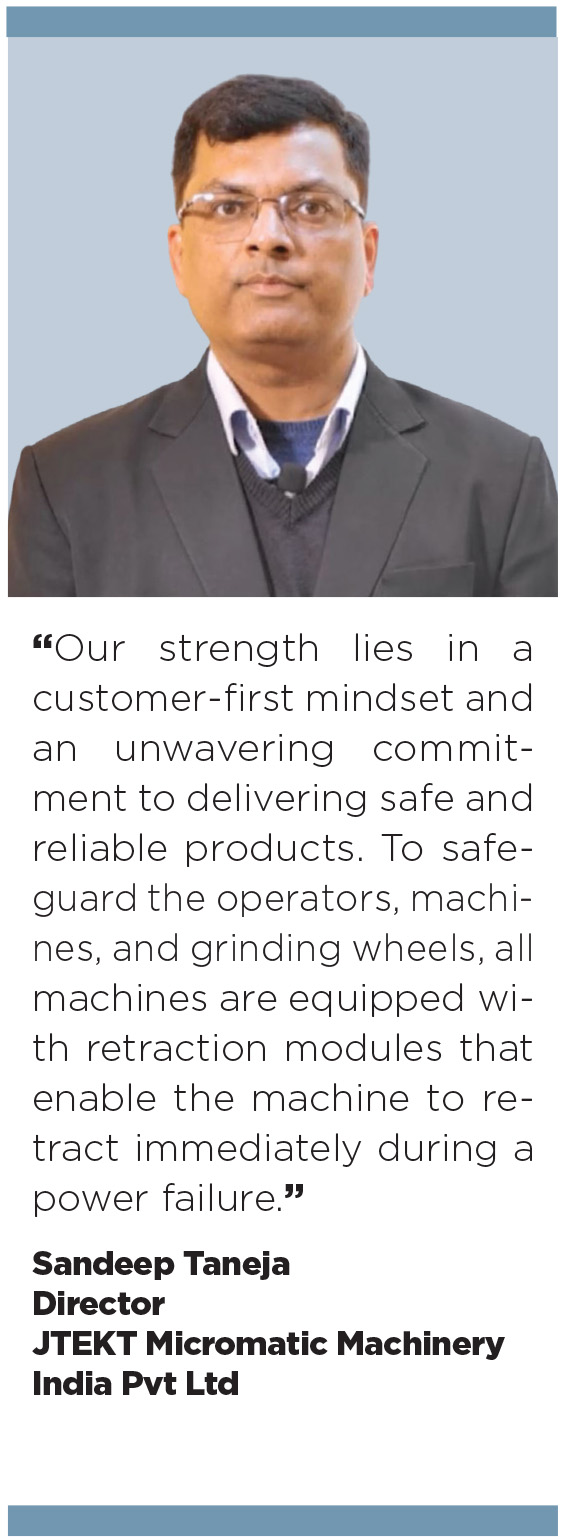
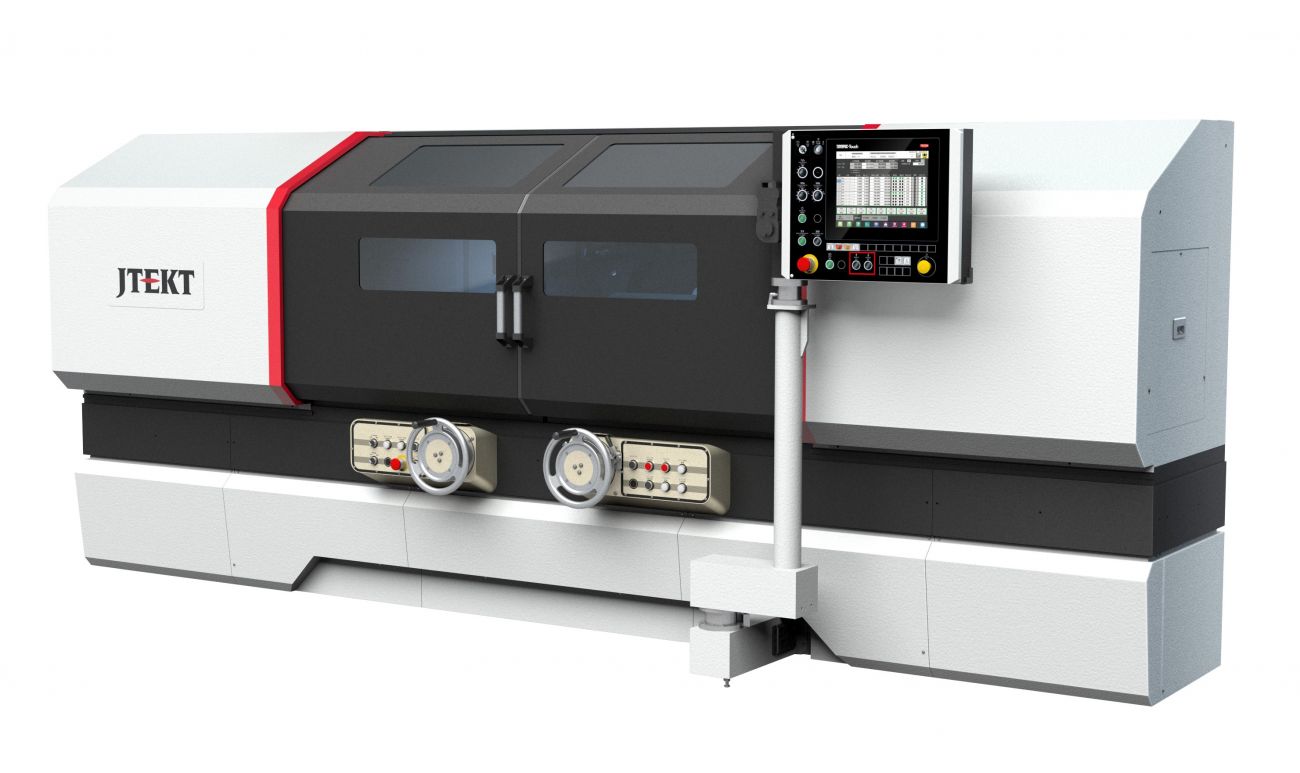
According to Sandeep Taneja, Director, JTEKT Micromatic Machinery India Pvt Ltd, grinding machinery has evolved far beyond standard mechanical boundaries to secure these sub-micron requirements. JTEKT’s platforms feature real-time thermal compensation and advanced data integration, deploying embedded mini-computers running specialized application modules (AAA modules). These systems supply live telemetry directly to maintenance teams, enabling condition-based predictive maintenance that drives down the Total Cost of Ownership (TCO) while maintaining quality during high-volume production runs.
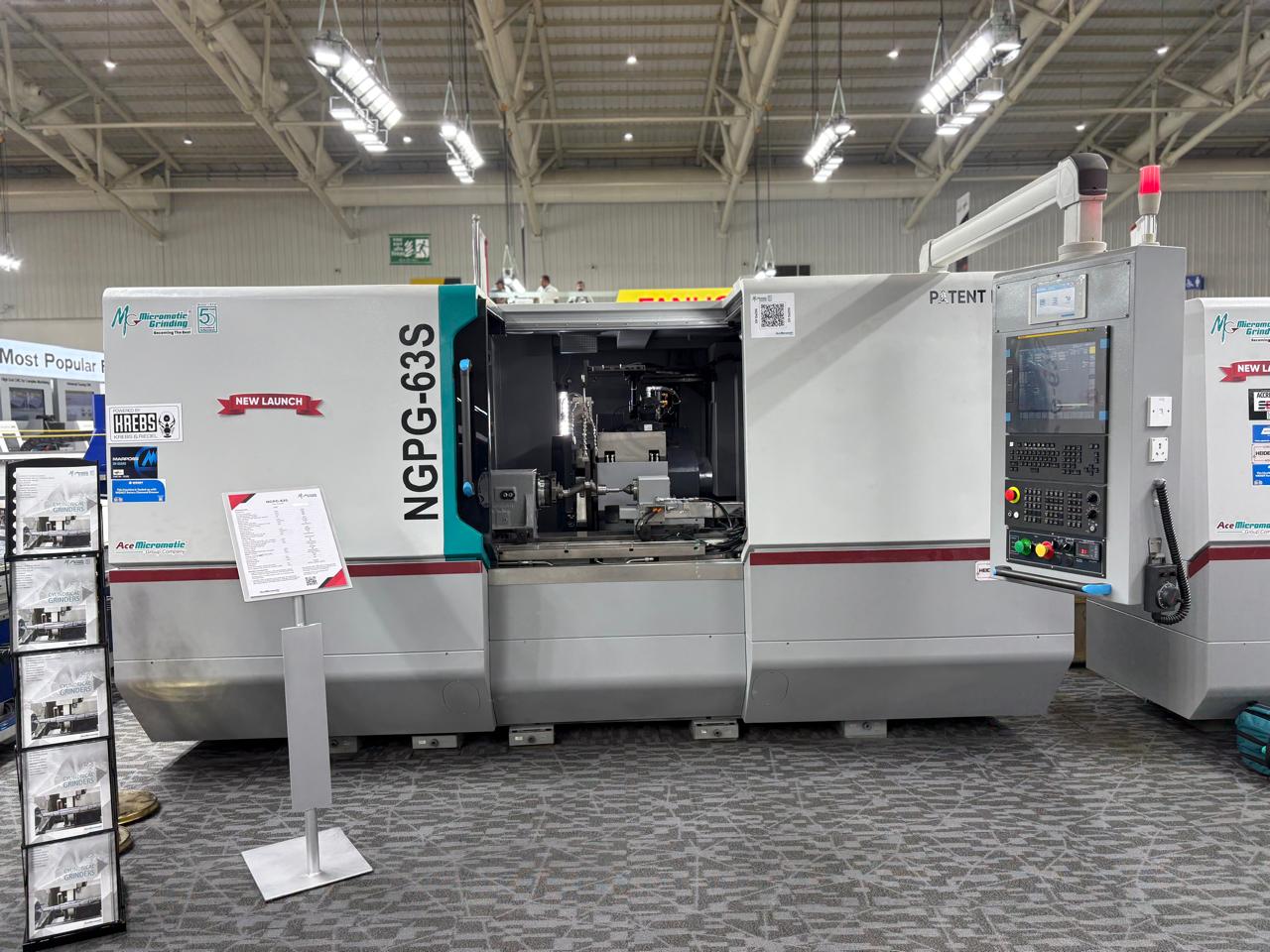
This industrial challenge is further explored by Kapil Dhand, Managing Director, Micromatic Grinding Technologies Pvt Ltd. To support advanced EV driveline materials, MGT has re-engineered its CNC cylindrical grinding platforms, optimizing overall machine stiffness and upgrading servo control systems to deliver sub-micron consistency.
The company has already deployed specialized non-round grinding platforms for cam lobes, crankshafts, and Capto profiles to leading tier-1 automotive suppliers, including Kalyani Technoforge and Sona Comstar, directly supporting components destined for major EV OEMs. Through ongoing technological collaborations with JTEKT Japan and specialized hydrostatic research initiatives with premier Indian Institutes of Technology (IITs), MGT is helping position India as a global powerhouse for high-end grinding technology.
Neutralizing the Silent Killer of Precision
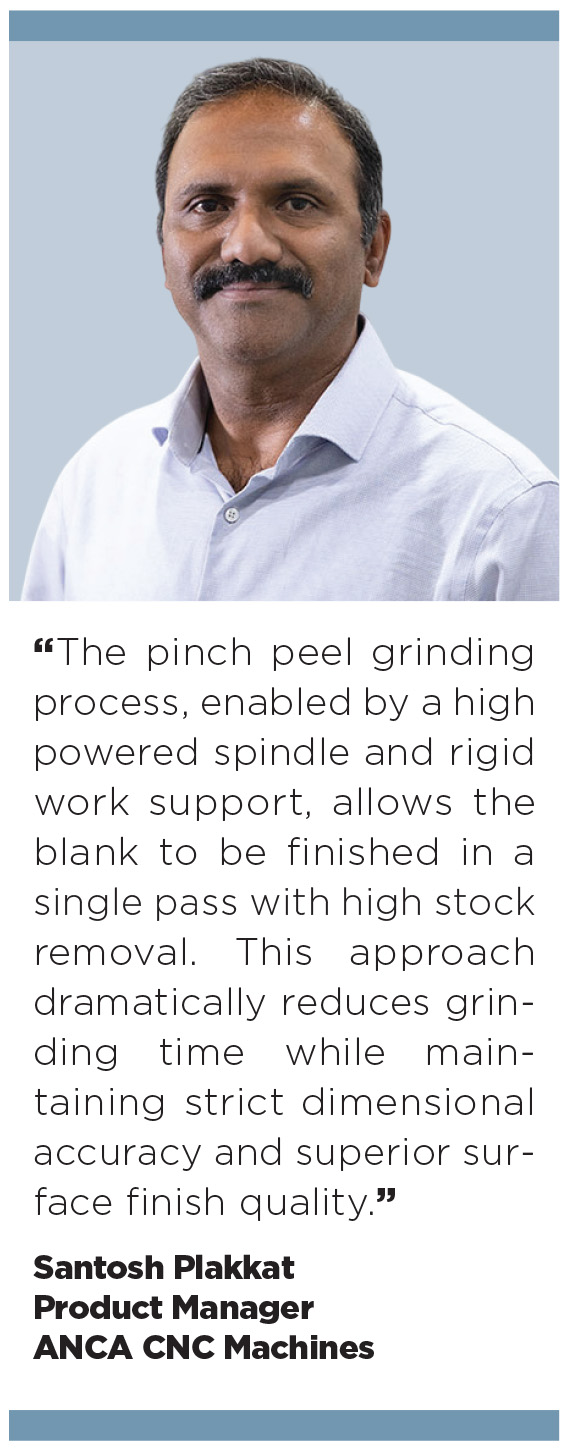
In high-volume manufacturing environments, thermal expansion represents the primary threat to long-cycle process stability. Motorized grinding spindles operate under variable speeds, bidirectional rotations, and diverse wheel pack configurations, generating localized heat that causes micron-level spindle growth. In this context Santosh Plakkat, Product Manager, ANCA CNC Machines, outlines the development of its Motor Temperature Control (MTC) firmware, designed explicitly to eliminate this issue. ANCA’s MTC firmware utilizes an advanced algorithm that allows operators to define a strict target spindle temperature. The control system monitors and regulates the thermal state of the motorized spindle in real-time, drastically reducing initial machine warm-up times and preventing dimensional variations during high-load manufacturing sequences.
To support this nanometer-resolution control, ANCA’s MX7 and FX Ultra series rely on a bi-symmetrical gantry and a polymer concrete base to isolate external frequencies and ensure absolute structural stiffness.
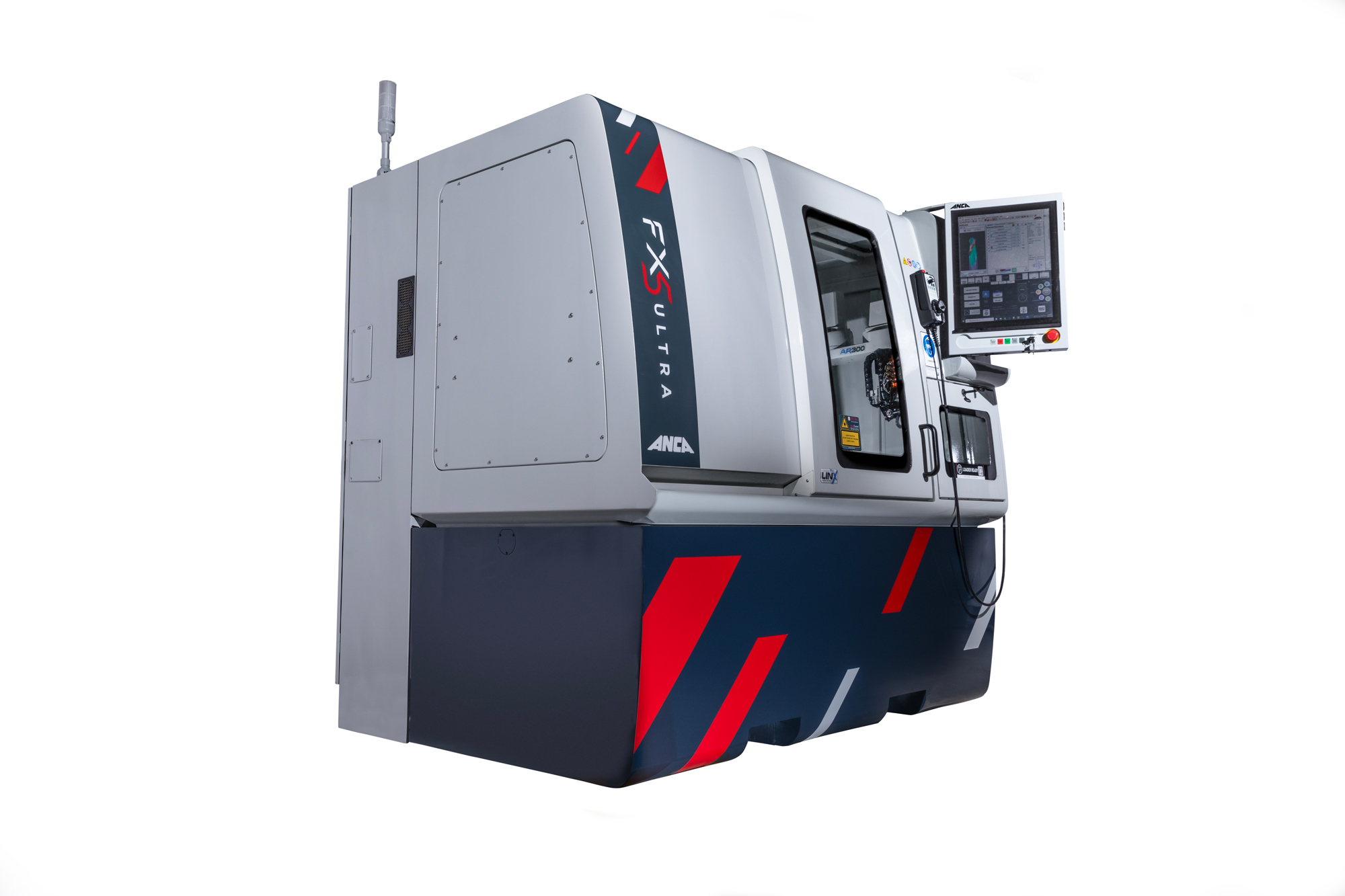
Furthermore, ANCA’s CPX Linear blank preparation grinder utilizes a high-powered ‘pinch-peel’ grinding method to consolidate the production floor. By utilizing a high-powered spindle alongside rigid work supports, raw blanks can be finished in a single pass. This approach allows manufacturers to completely bypass legacy pre-machining steps like milling, delivering finished geometries with surface roughness values better than 0.2 Ra while significantly reducing processing times.
|
|
 The Fluid Dynamics of Spindle Engineering
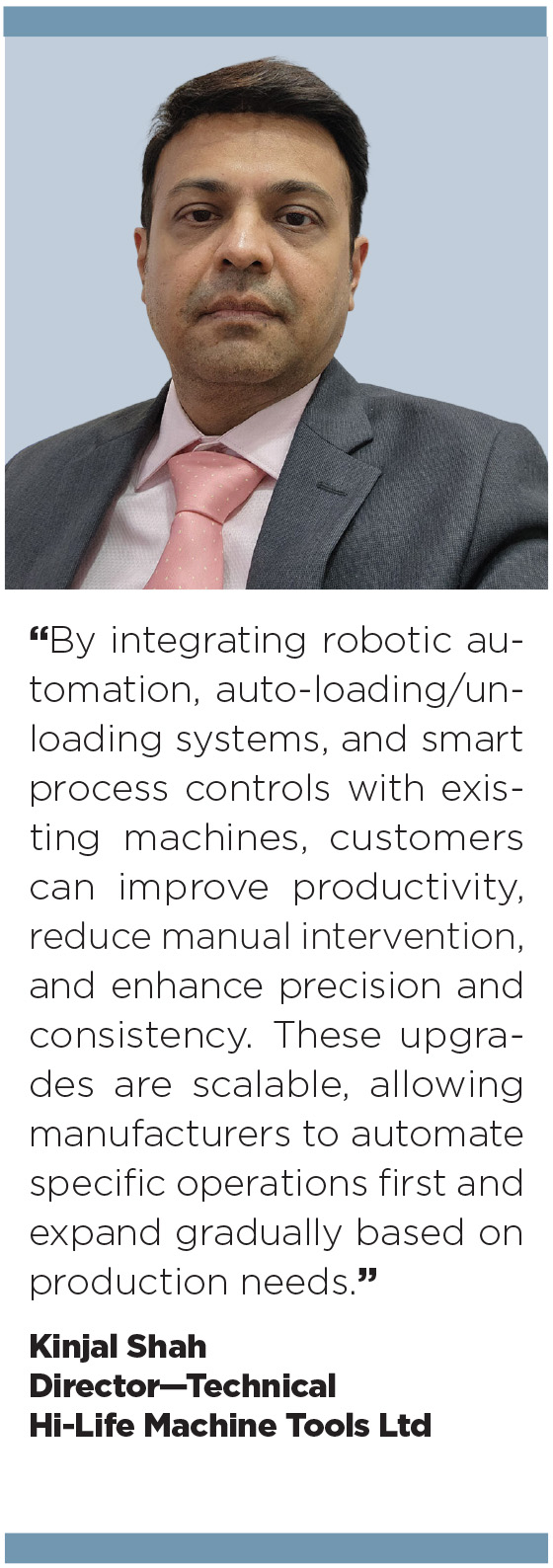
When evaluating centerless and vertical machining environments, achieving high material removal rates (MRR) without sacrificing geometric accuracy requires a careful balance of vibration damping and thermal management. Kinjal Shah, Director-Technical, Hi-Life Machine Tools Ltd, explains the mechanical advantages of incorporating hydrodynamic white metal bearings into wheel head spindles rather than standard anti-friction alternatives.
“Hydrodynamic white metal spindle bearings outperform standard anti-friction bearings for ultra-precision grinding because the oil-film along with white metal lining creates a high-damping and self-averaging thermally stable support system,” Shah highlights. “Instead of transmitting discrete rolling-element vibration into the grinding zone, it dampens the vibration leading to lower chatter, lower runout, superior geometric stability, and exceptional surface finishes.”
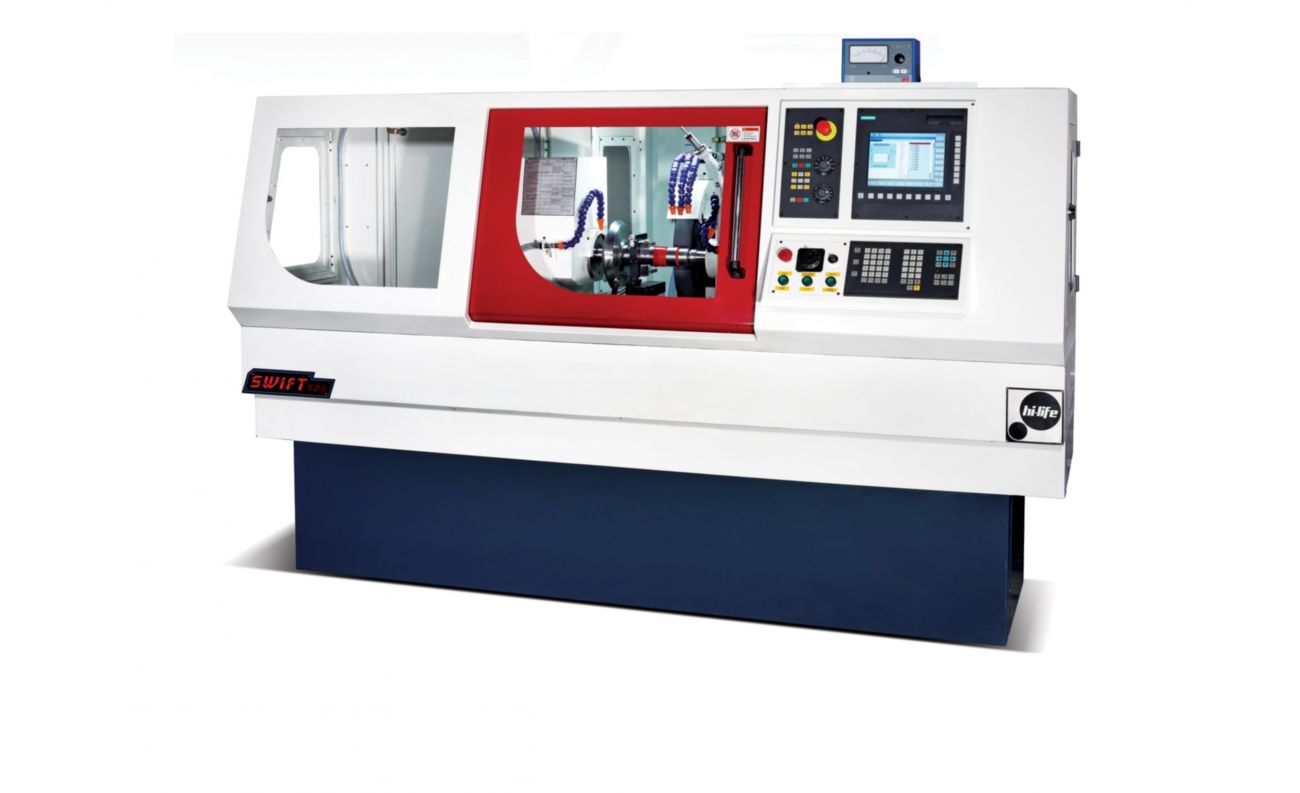
For its HLC Series of high-speed centerless grinders, Hi-Life implements a specialized ‘cartridge type’ spindle. This assembly utilizes pre-aligned, grease-packed bearings that deliver high-rigidity and stable thermal behavior at elevated speeds. Because it operates without continuous oil circulation, oil-induced thermal expansion is eliminated. Paired with robust oil seals, the cartridge design prevents contamination from coolant and abrasive dust, ensuring maintenance-free operation during continuous 24/7 production cycles.
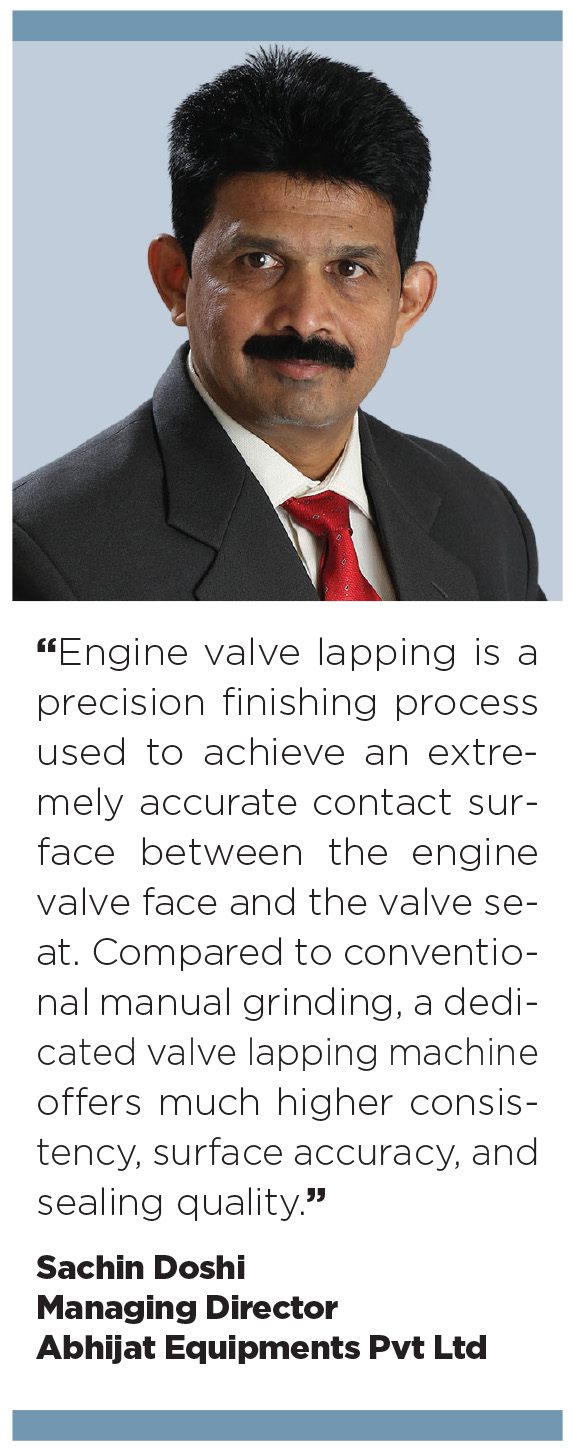
The importance of this mechanical stability is reinforced by Sachin Doshi, Managing Director, Abhijat Equipments Pvt Ltd, in reference to the company’s Arya-100 centerless grinder. By utilizing an automated hydraulic dressing system, the machine ensures a highly uniform, constant feed rate across the grinding and regulating wheels.
This smooth motion eliminates the micro-jerks associated with manual dressing, preventing the development of wheel profile errors that lead to component lobing or multi-lobed out-of-roundness.
Beyond centerless operations, Abhijat Equipments has automated legacy engine finishing through its specialized multi-valve lapping machinery. In modern high-compression, turbo-charged, and BS6-compliant engines, achieving a perfect gas-tight seal between the valve face and the valve seat is vital for combustion integrity.
By utilizing fine abrasive compounds under controlled axial movements and precise oscillation patterns, Abhijat's automated lapping process eliminates the surface waviness and human errors inherent to conventional manual grinding. This automated approach ensures exact concentricity and generates a continuous, uniform sealing ring, resulting in a series of direct performance advantages.
|
|
Automation and Modernization
The shift toward Industry 4.0 has transformed material handling from a secondary consideration into a core component of process control. As Manufacturing sectors face a growing shortage of skilled operators, automated systems are essential for maintaining consistency and throughput.
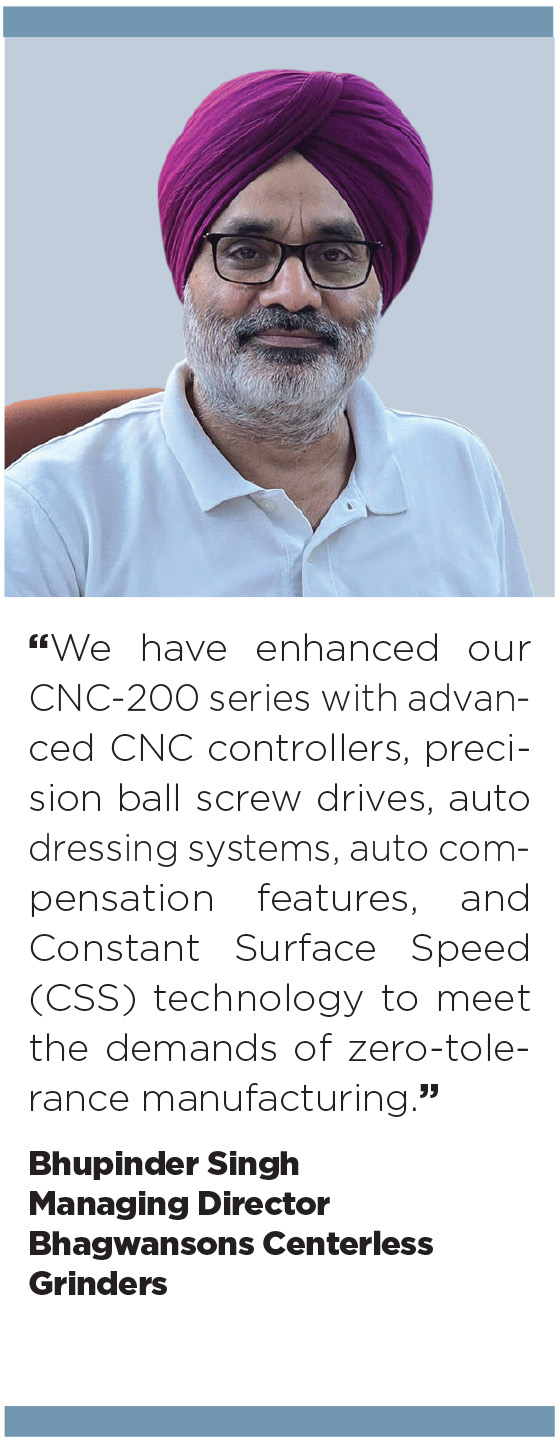
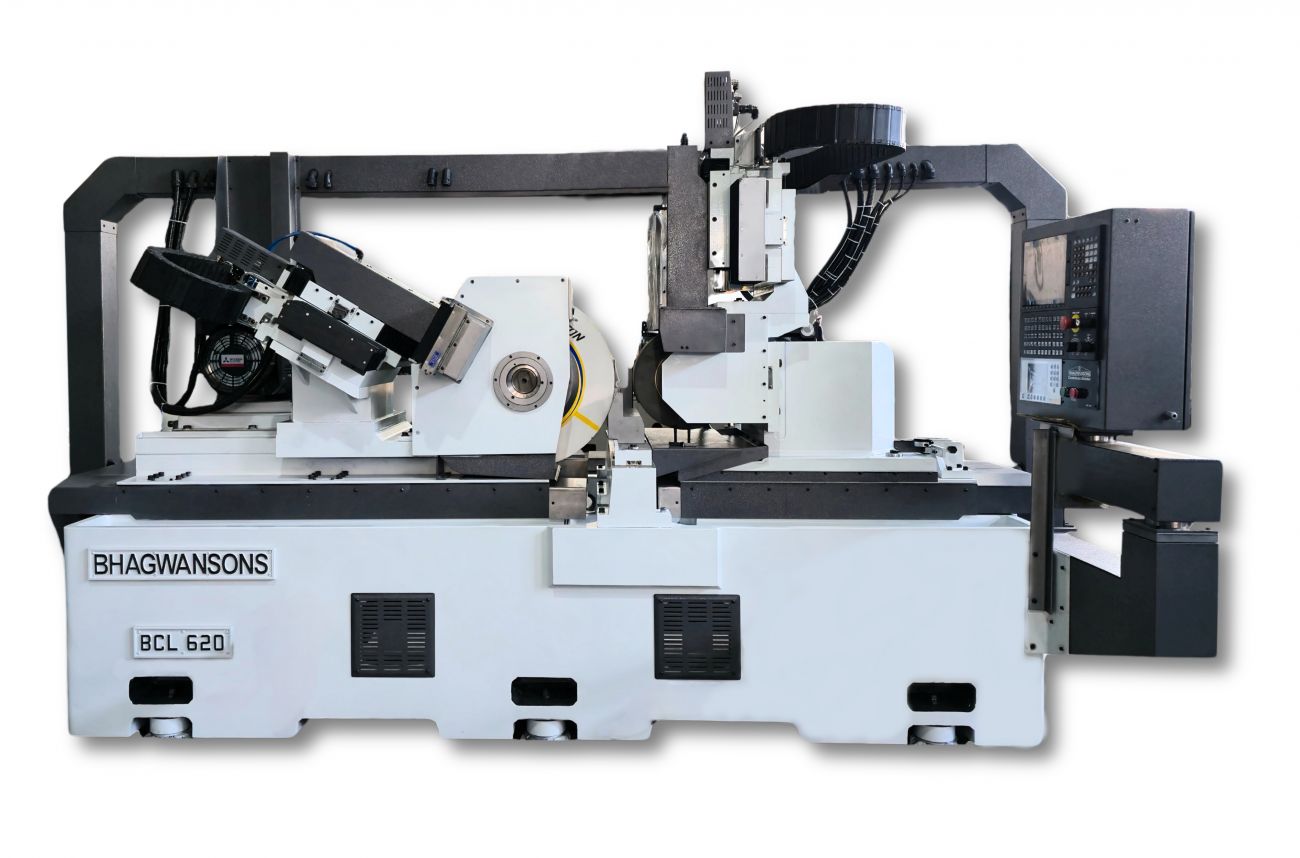
Bhupinder Singh, Managing Director, Bhagwansons Centerless Grinders, discusses how their CNC-200 series addresses these demands. By integrating advanced CNC controllers, precision ball screw drives, automated dressing units, and Constant Surface Speed (CSS) technology, the machinery delivers automated, micron-level repeatability. For critical components like needle rollers and bearing races, this setup ensures high profile accuracy with minimal operator intervention.
To enable true ‘lights-out’ manufacturing, Bhagwansons couples these grinding platforms with high-speed vibratory bowl feeders and automatic bar feeding attachments. This tightly synchronized material handling automation loop facilitates continuous component feeding and reliable production, allowing manufacturing facilities to operate safely around the clock.
This focus on modernization is also a priority for Hi-Life Machine Tools. As detailed by Shah, the company provides modular robotic automation upgrades and automated loading/unloading systems designed to modernize legacy machine shops without requiring heavy capital investment or causing extended downtime. This scalable approach allows manufacturers to automate specific operations first and expand gradually based on production needs, easing the transition into a smart manufacturing ecosystem.
|
|
The Green Grinding Imperative
Grinding has historically been an energy-intensive process that consumes high volumes of cutting fluids. Today, machine tool manufacturers are actively developing sustainable solutions to help companies meet strict Environmental, Social, and Governance (ESG) targets without compromising material removal rates.
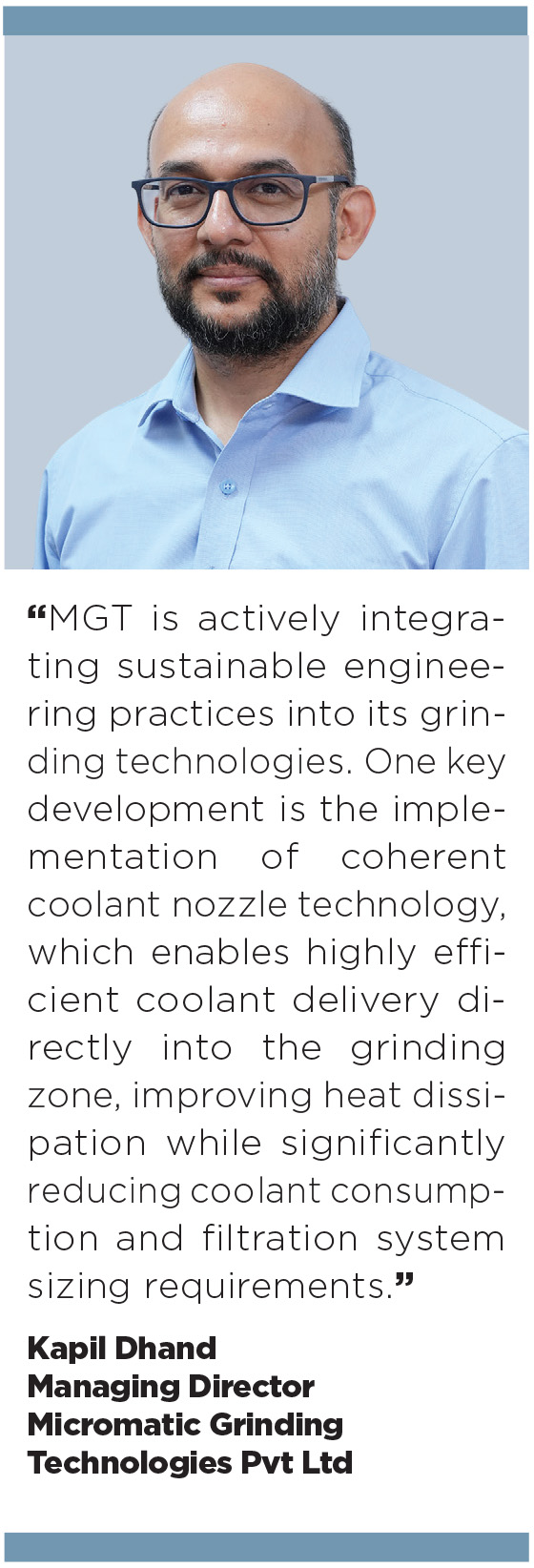
Dhand highlights MGT’s implementation of coherent coolant nozzle technology. Traditional flooded coolant systems often disperse fluid inefficiently, requiring larger filtration systems and higher energy usage. MGT’s coherent nozzles deliver a precisely focused stream of fluid directly into the grinding zone, maximizing heat dissipation while reducing total coolant consumption and filtration sizing requirements.
Simultaneously, maintaining coolant cleanliness is critical for protecting internal machine components and ensuring surface finish quality. As Bhupinder Singh emphasizes, their integrated magnetic paper band filters and specialized coolant separators continuously extract ferrous micro-particles and grinding sludge from the fluid circuit. This clean, stable fluid circulation reduces wheel loading and minimizes thermal distortion, helping hardened steel components reliably achieve fine surface roughness values while extending the service life of wheels, bearings, and hydraulic components.
JTEKT Micromatic Machinery India has also focused on eco-efficiency by designing lubrication circuits with zero oil wastage, returning all spindle lubricants back to the primary reservoir. Its platforms utilize high-efficiency servo motors and Variable Frequency Drives (VFDs) on hydraulic pumps to lower total energy consumption. Additionally, smart power-saving circuits automatically turn off screens and internal motors during idleness, allowing operators to visualize and audit real-time energy metrics directly on the machine interface.
Tailoring Global Technology for Local Shop Floors
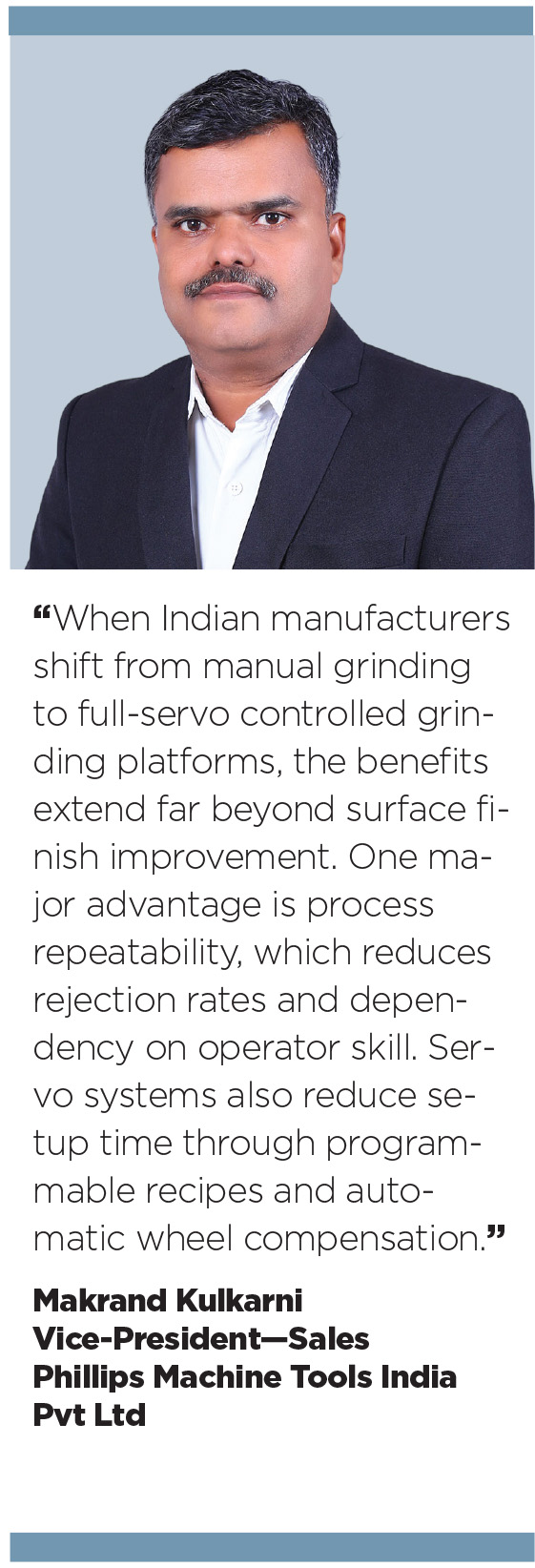
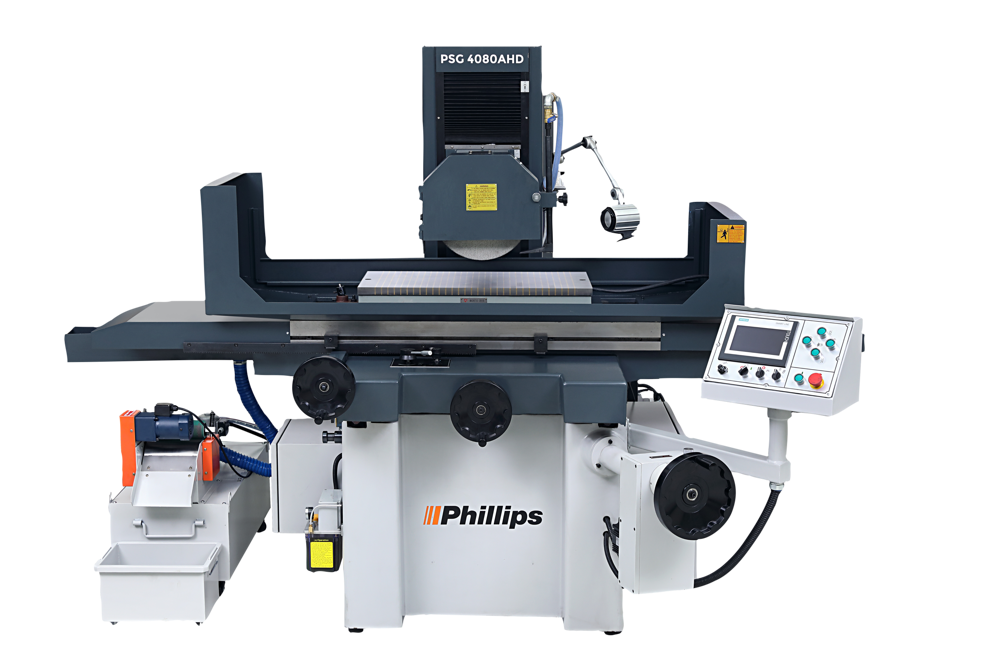
Deploying high-end international technology onto local shop floors requires an understanding of unique environmental challenges, including volatile power quality and an ongoing technical skill gap. To this end, Makrand Kulkarni, Vice-President—Sales, Phillips Machine Tools India Pvt Ltd, explains how the company customizes global grinding brands like KENT, Palmary, and Haas Multigrind for the Indian market. “We tailor these technologies for Indian customers by focusing on cost-efficiency, energy optimization, and reliable performance under local shop-floor conditions.”
When helping manufacturers transition away from manual workflows, Phillips emphasizes the hidden productivity gains that come with full-servo controller platforms, such as programmable component recipes and automatic wheel compensation. These integrated tools maximize machine uptime, extend grinding wheel longevity, and significantly reduce setup times, providing a faster return on investment (ROI).
To address the industrial skill gap, the company utilizes advanced machine simulators and structured application training. Operators are trained beyond basic button-pushing; they learn the fundamentals of process optimization including wheel selection, coolant viscosity monitoring, and G-code refinement, transforming machine operators into capable process specialists.
To mitigate local infrastructure challenges like unpredictable power fluctuations, JTEKT Micromatic Machinery India fits its machinery with specialized retraction modules. In the event of a sudden power outage, the module automatically backs the grinding wheel away from the workpiece instantly, protecting the operator, the machine spindle, and the component from catastrophic structural damage. Furthermore, its localized engineering support team is fully capable of executing complete CNC retrofits on machines that have been running on the shop floor for over two decades, maximizing operational lifecycle.
|
|
Pragmatic CNC Adoption for the MSME Sector
While multi-axis CNC machines and automated robotic cells represent the pinnacle of high-end manufacturing, a substantial portion of the industrial landscape—particularly within Indian Micro, Small, and Medium Enterprises (MSMEs)—remains highly sensitive to initial capital costs. For these shops, the market has long been split between cost-prohibitive European imports and cheap, unorganized mechanical machines.
To bridge this gap, companies like Abhijat Equipments have introduced optimized, multi-slide bar-type CNC platforms, such as the HYB-32. By pricing these systems strategically between traditional cam-operated automatics and high-end CNC lathes, they provide a practical entry point for local workshops looking to upgrade their precision capabilities without over-extending financially.
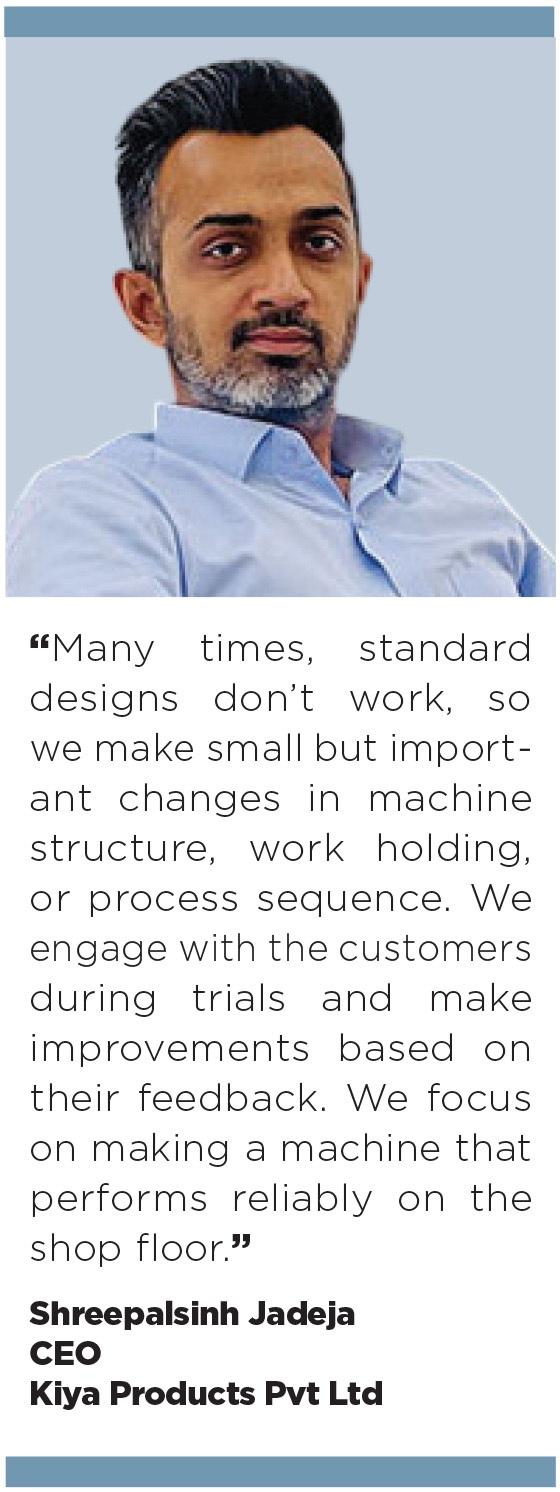
This pragmatic engineering philosophy is deeply shared by Shreepalsinh Jadeja, CEO, Kiya Products Pvt Ltd. “At Kiya, we believe precision is not a feature—it is the foundation of everything we build,” states Jadeja. “In the Indian SME segment, the shift from hydraulic to CNC is happening steadily. Many customers are not looking for full automation—they want consistency, less dependency on operator skill, and reduced rejection.”
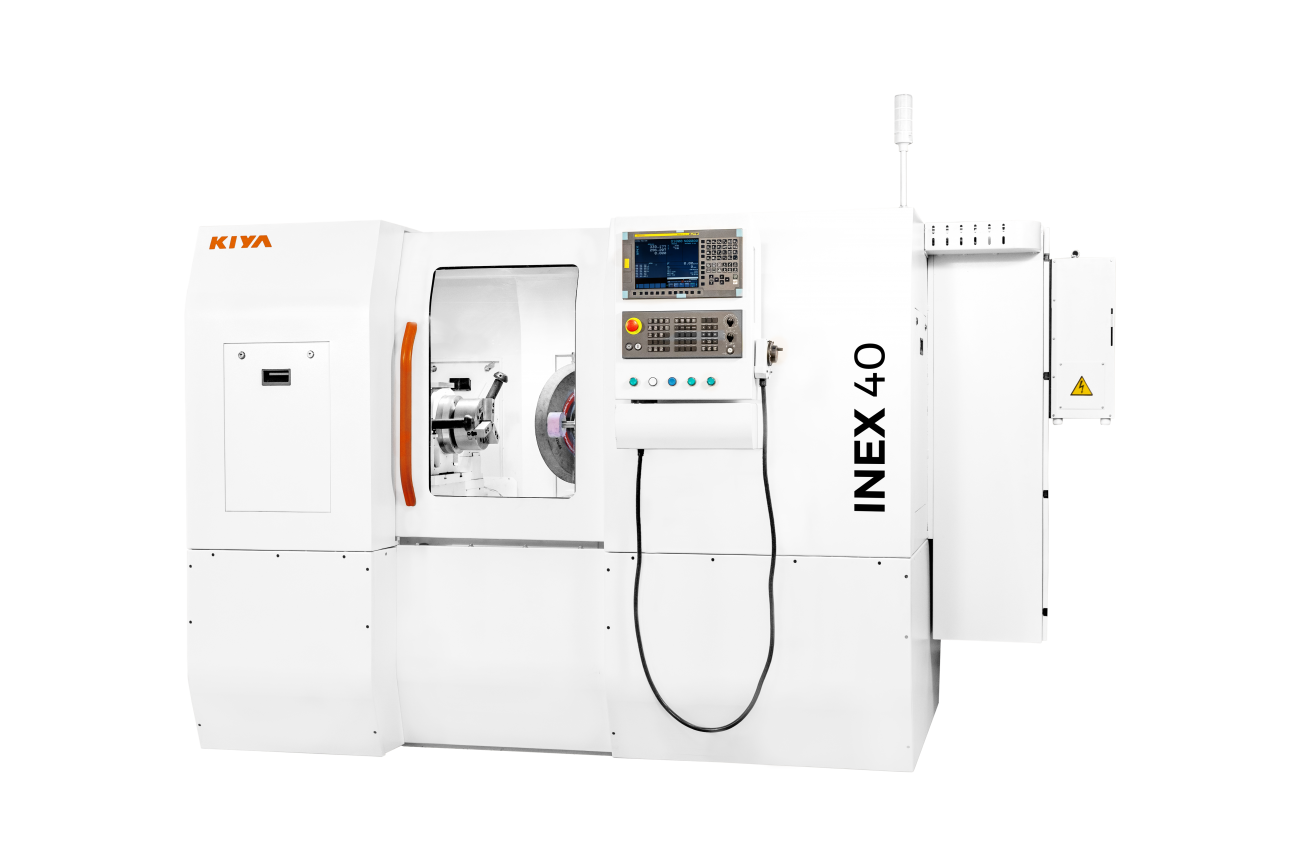
Kiya Products focuses heavily on simplifying the user experience, utilizing straightforward CNC architectures, standard grinding cycles, and direct technical support during initial shop-floor trials. This has driven a sharp rise in the adoption of Special Purpose Grinders (SPMs). By assessing a component’s geometry and volume requirements from the outset, Kiya designs tailored, single-setup machines that eliminate unnecessary secondary steps without being over-engineered, helping small businesses scale their output effectively.
Driving the Global Manufacturing Footprint
The insights shared by these industry leaders demonstrate that by combining structural rigidity, smart CNC controllers, real-time thermal management, and AI-driven process optimization, modern grinding has become a cornerstone of high-end manufacturing. As the industrial ecosystem continues to mature across international markets, the ability to deliver sub-micron precision under tough, real-world shop-floor conditions ensures that modern grinding technologies will remain a driving force behind global engineering innovation.
 |
SOUMI MITRA |
 Facebook
.png) Twitter
Twitter Linkedin
 Subscribe